The first time you crush a basil leaf between your fingers and breathe in its warm, peppery aroma, something changes. Suddenly, the small plastic packages of basil from the grocery store feel less appealing.
You start imagining a small collection of vibrant green plants growing right in your home—ready to pick whenever you need them. Fresh basil for pasta, salads, soups, or even tea becomes just a few steps away.
The best part? Growing basil at home is surprisingly simple. You do not need special gardening skills or expensive equipment. With a few basic supplies and a sunny location, even beginners can grow healthy basil plants that produce plenty of leaves.
To start growing basil, you only need:
Basil seeds or a small starter plant
Quality potting soil
A container with drainage holes
A sunny spot with plenty of light
Because basil loves warmth and sunlight, a south-facing window, balcony, or outdoor garden bed can provide ideal growing conditions.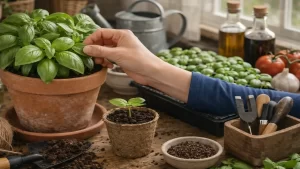
Want Fresh Basil All Season? — A Beginner’s Guide to Growing It Successfully at Home
Why Basil Is One of the Easiest Herbs to Grow
Basil is known for being beginner-friendly. It responds quickly to good care and often rewards gardeners with fast growth and fragrant leaves.
Think of basil as a plant that thrives on attention. When it receives enough sunlight and water, it grows vigorously for weeks or even months. When neglected, it quickly shows signs of stress by drooping or producing flowers earlier than expected.
Fortunately, basil is also forgiving. Even if you make small mistakes while learning, the plant usually recovers.
Another reason basil is popular among home gardeners is its versatility. It grows well in many environments, including:
Kitchen windowsills
Small apartment balconies
Indoor plant shelves
Outdoor garden beds
Even a single pot placed near your cooking area can become a convenient source of fresh herbs.
Making Basil Part of Your Daily Routine
Growing basil is not only about gardening—it can also enhance everyday life in small but meaningful ways.
Imagine keeping a pot near the kitchen stove. While cooking tomatoes for pasta, you can easily grab a handful of fresh leaves. The aroma alone can transform a simple dish.
Some people enjoy placing basil plants on a sunny balcony or near a workspace. Taking a short break to touch the leaves or water the plant can create a calming moment during a busy day.
Others like to grow several varieties together on a windowsill, creating a small indoor herb garden that adds both color and fragrance to their home.
With basil, the goal is not just productivity. It’s about creating a living ingredient that becomes part of your daily routine.
Choosing the Right Basil Variety
Many beginners are surprised to learn that basil is not just one single type of plant. There are several varieties, each with its own flavor and appearance.
Some popular options include:
Genovese Basil
The classic Italian basil with large, deep-green leaves. It is the traditional choice for pesto and works well in most Mediterranean dishes.
Sweet Basil
A common variety used in many kitchens. Its balanced flavor pairs well with salads, sauces, and sandwiches.
Thai Basil
Known for its slightly spicy, licorice-like flavor. It is commonly used in Southeast Asian cooking and pairs well with stir-fries and noodle dishes.
Purple Basil
This variety has dark purple leaves and a dramatic appearance. It is often grown for both culinary use and visual appeal.
Lemon Basil
A fragrant herb with citrus notes that works well in teas, salads, and light summer dishes.
For beginners, starting with one or two varieties is usually best. Genovese or sweet basil will cover most cooking needs, while Thai basil is a great addition for those who enjoy Asian cuisine.
Seeds or Starter Plants: Which Is Better?
Both seeds and young plants can work well when starting your basil garden.
Growing from seeds
Usually cheaper
Offers more variety choices
Allows you to experience the full growing process
Buying starter plants
Faster results
Less waiting for germination
Easier for complete beginners
The good news is that basil is adaptable. Whether you start with seeds or a nursery plant, it typically grows quickly once placed in warm and sunny conditions.
Creating the Perfect Growing Environment
To keep basil healthy and productive, focus on these key growing conditions:
Sunlight
Basil needs about 6–8 hours of sunlight daily. Bright windows, balconies, or garden beds are ideal.
Soil
Use light, well-draining potting soil to prevent root problems.
Water
Keep the soil slightly moist but not soggy. Water when the top layer of soil begins to dry.
Containers
Choose pots with drainage holes to prevent excess water from collecting around the roots.
With these simple steps, most basil plants will grow quickly and start producing harvestable leaves within a few weeks.
Conclusion
Growing basil at home is one of the easiest and most rewarding ways to start gardening. With just sunlight, water, and basic care, this fragrant herb can thrive on windowsills, balconies, and small garden spaces.
Beyond its usefulness in the kitchen, basil adds freshness and life to your home. The scent of its leaves, the vibrant green color, and the ability to harvest ingredients right when you need them all contribute to a more enjoyable cooking experience.
For beginners looking to start an herb garden, basil is often the perfect first plant—simple to grow, generous in its harvest, and endlessly useful in everyday meals.
Frequently Asked Questions (FAQs)
1. How long does basil take to grow?
Basil typically begins sprouting within 5–10 days when grown from seeds. Leaves can usually be harvested within 3–4 weeks.
2. Can basil grow indoors year-round?
Yes. As long as basil receives enough sunlight or grow light and stays in warm conditions, it can grow indoors throughout the year.
3. How often should basil be watered?
Basil should be watered when the top layer of soil feels slightly dry. Avoid overwatering, as overly wet soil can damage the roots.
4. Why is my basil plant flowering?
Basil produces flowers when it becomes mature or stressed. Regularly trimming the plant helps delay flowering and encourages more leaf growth.
5. Can you grow multiple basil plants in one container?
Yes, but the container should be large enough to allow proper airflow and root space. Overcrowding can reduce growth and leaf production.