For years, covering grey hair usually meant choosing between chemical hair dyes or natural remedies that often produced uneven results. Recently, however, a simple home method has gained attention: adding unsweetened cocoa powder to regular conditioner.
Grey hair appears when hair follicles produce less melanin, the pigment responsible for hair color. Aging is the most common cause, but other factors can also contribute, including:
Genetics
Stress
Smoking
Nutrient deficiencies
Certain health conditions
As melanin production decreases, silver or white strands begin appearing gradually across the scalp.
While permanent and semi-permanent dyes provide quick coverage, they also have drawbacks. Many formulas contain strong chemicals and require frequent applications, which can weaken hair over time.
Grey hair is naturally more delicate. It tends to be:
Drier
More brittle
Less flexible
Frequent coloring can damage the hair cuticle, reduce moisture, and sometimes leave grey hair looking dull instead of shiny.
Even products labeled “gentle” or “ammonia-free” often rely on oxidative processes that alter the internal structure of hair. For people with sensitive scalps or aging hair, repeated treatments may become uncomfortable.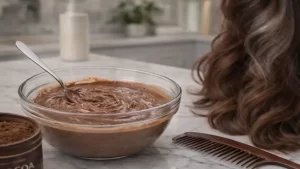
Simple Haircare Change — Those With Grey Hair — Conditioner Add-In That Revives Natural Colour
The Cocoa Conditioner Method Gaining Attention
One alternative that many beauty enthusiasts are experimenting with involves unsweetened baking cocoa powder.
Cocoa contains natural pigments and plant compounds that can lightly tint hair when applied regularly. Instead of penetrating deeply like chemical dyes, cocoa works by coating the outer surface of the hair.
This creates a gradual effect, making grey strands appear slightly darker and warmer over time.
Cocoa also contains beneficial plant compounds such as:
Flavonoids, known for antioxidant properties
Tannins, which help pigments adhere to the hair surface
These compounds may provide several cosmetic benefits, including:
Subtle darkening of grey strands
Added shine and softness
Protection from environmental stressors
Improved scalp balance
Because the pigment builds slowly, the result tends to look natural rather than dramatic.
How to Mix Cocoa Powder Into Conditioner
This popular routine is simple and inexpensive. It requires only conditioner and unsweetened cocoa powder.
Basic steps:
Start with freshly washed, towel-dried hair.
Place a generous amount of your regular conditioner in a bowl.
Add 2–4 tablespoons of unsweetened cocoa powder, depending on hair length and thickness.
Mix until the texture becomes smooth and chocolate-colored.
Divide hair into sections and apply evenly, focusing on areas with visible grey hair.
Use a wide-tooth comb to distribute the mixture from roots to ends.
Leave the treatment on for 20–30 minutes.
Rinse thoroughly with lukewarm water.
Many users notice a subtle change after the first application, with bright grey strands appearing slightly softer or smoky brown.
Repeated use may gradually reduce contrast between grey hairs and the natural color.
Who May Benefit Most From This Method
Cocoa-enhanced conditioner tends to work best for people with scattered grey hairs rather than fully white hair.
It may be especially useful for:
Light brunettes with noticeable grey strands
Blondes whose grey hair appears very bright
People with sensitive scalps
Anyone who prefers gradual changes instead of dramatic color shifts
For very dark hair, cocoa usually will not completely hide grey roots but may help soften the transition between new growth and previously colored hair.
Expected Results for Different Hair Types
Results vary depending on hair color and texture.
Fine grey or white hair
Hair may appear smoother and develop a light beige-brown tone.
Salt-and-pepper brown hair
Grey strands may blend more naturally with darker strands.
Dark brown or black hair with few greys
Color changes are subtle, but warmth and shine may increase.
How Cocoa Interacts With Hair Structure
Grey hair has a slightly raised outer cuticle layer, which can cause frizz and roughness. Conditioner smooths this outer layer, helping strands glide past each other more easily.
Cocoa particles attach to the hair’s surface, creating a temporary tint that builds gradually. Because the pigment stays on the outer layer rather than penetrating deeply, it does not alter the internal structure of the hair shaft.
This allows the hair to maintain its natural flexibility while still gaining subtle color.
Cocoa Compared With Other Grey Hair Solutions
Cocoa powder is only one option among many approaches to managing grey hair.
Other common alternatives include:
Herbal rinses
Tinted conditioners
Professional grey-blending treatments
Plant dyes like henna and indigo
Cocoa’s advantages include affordability, accessibility, and conditioning benefits. However, results can vary based on hair type and proper rinsing is necessary to prevent residue.
Everyday Habits That Help Protect Grey Hair
Maintaining healthy grey hair involves more than cosmetic treatments. Several lifestyle factors influence hair condition and appearance.
Experts often recommend:
Reducing excessive heat styling
Protecting hair from UV exposure
Managing stress
Avoiding smoking
Eating foods rich in antioxidants
People who incorporate gentle routines often find that grey hair becomes shinier and easier to manage.
Cocoa treatments can serve as a temporary, reversible option that fits between salon visits or supports a gradual transition toward natural grey hair.
FAQs
1. Can cocoa powder permanently darken grey hair?
No. Cocoa powder provides a temporary tint that gradually builds with repeated use but washes out over time.
2. What type of cocoa powder should be used?
Use unsweetened baking cocoa powder. Sweetened cocoa mixes contain sugar and additives that may leave residue.
3. How often should the cocoa conditioner treatment be applied?
Most people apply it once or twice per week to gradually enhance color.
4. Will cocoa powder work on very dark hair?
The effect is usually subtle on dark hair but may add warmth and shine while slightly softening grey strands.
5. Is cocoa conditioner safe for sensitive scalps?
Generally yes, but it’s still recommended to perform a small patch test before applying it to the entire scalp.