Recently, I walked into a kitchen that looked more like a tech showroom than a place to cook. On the counter sat a massive multifunction cooker. Next to it was an air fryer, and behind that a blender with more programs than a television.
The owner proudly explained: “It has nine cooking modes in one device. Finally, healthy cooking without effort!”
But on the table were frozen chicken nuggets, ready-made croquettes, and breaded vegetables from a bag.
That moment perfectly captured a growing contradiction in modern kitchens.
Many people believe a new gadget will suddenly fix their eating habits.
And that belief is fueling a debate spreading across cooking forums, Instagram posts, and households everywhere.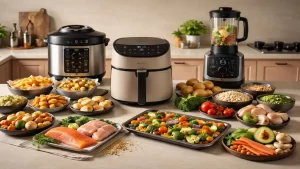
One Device, Nine Promises — What Users Should Know Right Now
The Promise of the All-in-One Kitchen Device
Today’s popular multi-cookers promise an impressive list of features:
Air frying
Baking
Roasting
Stewing
Dehydrating
Reheating
Steaming
Grilling
Even making yogurt
One appliance, nine functions.
For busy families, tired after-work cooks, or people with small kitchens, this sounds like the perfect solution.
Online stores reinforce that promise with tempting images: crispy sweet-potato fries, perfectly roasted vegetables, golden salmon fillets — all supposedly cooked with less oil and more nutrients.
Buying the gadget can almost feel like buying a healthier version of yourself.
And that’s exactly why the appeal is so strong.
The Reality in Many Kitchens
However, the reality often looks very different.
Many owners admit they mostly cook:
Frozen fries
Chicken nuggets
Cheese snacks
Pizza bites
Pre-breaded pastries
These foods fall into the category nutrition experts call ultra-processed foods.
Recent studies show that high consumption of ultra-processed foods is linked to:
Increased obesity risk
Higher levels of inflammation
Greater risk of cardiovascular disease
In other words, a new appliance cannot change the nutritional value of what goes inside it.
As one nutrition doctor once joked:
“A pizza doesn’t become healthy just because the oven is new.”
Why the Technology Still Has Benefits
To be fair, these devices are not useless.
From a technical perspective, they offer several advantages:
Less oil required
Hot-air circulation allows food to crisp with less fat than traditional deep frying.
Gentler cooking temperatures
Vegetables can be cooked at lower temperatures, helping preserve some nutrients.
Lower calories for certain meals
If someone previously fried foods in a pan with large amounts of oil, switching to air cooking can reduce calories.
So the device itself isn’t the problem.
The real issue appears when people confuse technology with lifestyle change.
The Real Challenge: Habits
A smart appliance does not automatically change:
shopping habits
stress eating
busy schedules
reliance on convenience foods
If the grocery cart is still filled with ultra-processed snacks, the cooking method only changes a small part of the equation.
Technology can help — but it cannot fix an unhealthy relationship with food.
How to Use a Multi-Cooker in a Healthier Way
If you already own one of these devices — or are thinking about buying one — it can still be useful.
A simple rule helps:
At least half of what you cook in the device should be minimally processed foods.
Good options include:
fresh vegetables
frozen vegetables without breading
potatoes
plain fish fillets
chicken without heavy marinades
legumes
tofu
A simple weekly idea
Once a week, prepare a “vegetable tray.”
Chop whatever vegetables you have:
peppers
zucchini
carrots
onions
broccoli
Add one tablespoon of oil, some salt, and spices. Cook it in the device and serve it with lentils, chickpeas, or a piece of fish.
It’s simple, nutritious, and requires no complicated recipes.
The Hidden Marketing Trap
Nutrition experts have noticed another trend.
Food companies are releasing products specifically designed for air fryers and multi-cookers.
These include:
“extra crispy” frozen snacks
pre-fried chicken pieces
protein-labeled convenience foods
vegetable sticks with long ingredient lists
Although marketed as healthier, many of these items remain highly processed.
As one dietitian working in an obesity clinic explained:
“The device isn’t the problem. The food industry built around it is.”
Common Myths About Air-Fryer Cooking
Several misconceptions appear repeatedly among users:
“It’s air-fried, so I can eat more.”
Lower fat doesn’t mean unlimited calories.
“30% less fat means healthy.”
Marketing claims can be misleading.
“It’s not frying if it’s hot air.”
Ultra-processed foods remain ultra-processed.
“I cooked at home, so it’s healthy.”
The ingredients still matter most.
The Simple Truth About Healthy Cooking
The appeal of a 9-in-1 cooker fits perfectly with modern expectations.
We want food that is:
fast
convenient
efficient
and healthy
But long-term healthy eating usually returns to basic habits:
planning meals
buying real ingredients
chopping vegetables
cooking simple meals
using leftovers
These habits are not glamorous or Instagram-friendly.
Yet they remain surprisingly effective.
Sometimes a simple plate of roasted vegetables, rice, and yogurt dip is enough for a satisfying meal — no high-tech gadget required.
Key Takeaways
| Key Point | Explanation | Benefit for Readers |
|---|---|---|
| Kitchen devices are tools | Health depends mainly on the ingredients used | Reduces unrealistic expectations |
| Plan intentional use | Schedule 1–2 fresh-food cooking days weekly | Creates achievable routines |
| Watch ultra-processed foods | “Air fryer friendly” snacks are still processed | Helps make smarter grocery choices |
FAQs
Is a 9-in-1 cooker healthier than a traditional oven?
Not necessarily. These devices often require less oil and can cook food efficiently. However, if you mainly prepare frozen snacks like fries or nuggets, the health benefits are minimal.
Can this appliance help with weight loss?
It can support weight loss if it replaces high-oil frying methods. But without changes in portion sizes and food choices, the effect is usually limited.
Are frozen vegetables okay to cook in it?
Yes. Plain frozen vegetables without breading or heavy sauces can be a convenient and nutritious option, especially when fresh produce is not available.
How can I identify ultra-processed foods?
Check the ingredient list. If it contains many additives, artificial flavors, stabilizers, or unfamiliar chemical names, the product is likely highly processed.
Is buying a multifunction cooker worth it?
It depends on your cooking habits. If you value convenience, have limited kitchen space, and enjoy using technology, it can be helpful. But remember — healthier eating depends far more on what you cook than the appliance you use.