High-protein Greek yogurt drinks with at least 15g of protein and no more than 10g of total sugar are becoming a go-to option for people who want a quick, satisfying snack or post-workout recovery boost. Over the past year, demand has climbed as consumers prioritize clean labels, satiety, and portable nutrition.
Thanks to newer formulations—especially those using ultra-filtered milk—it’s now easier to find options that increase protein while reducing added sugars. The key is simple: focus on protein, check sugar, and scan the ingredient list. There’s no need to overcomplicate it.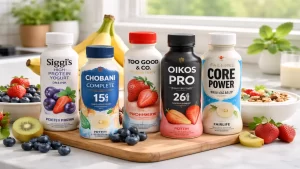
Expert Guide — Pick the Right High-Protein Greek Yogurt Drink — Avoid Common Mistakes
What Makes Greek Yogurt Drinks High in Protein?
Greek yogurt is strained to remove much of the whey, creating a thicker texture and naturally higher protein content. In drinkable form, it offers portability without sacrificing nutrition.
Most high-protein versions contain 15–20g of protein per serving, sourced from milk proteins like whey and casein. These help:
Support muscle maintenance
Promote fullness
Stabilize energy levels
They’re commonly used as:
Between-meal snacks
Light meal replacements
Post-exercise recovery drinks
While some products target fitness enthusiasts, many are designed for everyday consumers seeking better hunger control and fewer ultra-processed snacks.
Why Demand Is Growing
Functional foods that combine measurable benefits with convenience are on the rise. High-protein Greek yogurt drinks fit perfectly into this trend.
Key drivers include:
Increased focus on blood sugar balance
Greater interest in gut health
Demand for portable, clean-label products
Desire to reduce sugary protein shakes
Many varieties now contain live and active cultures, appealing to consumers who prioritize digestive wellness.
Not All Options Are Equal
Here’s how common types compare:
1. Conventional Strained
Protein: 12–15g
Sugar: 8–15g
May contain more sugar in flavored versions
2. Ultra-Filtered Milk-Based
Protein: 15–20g+
Sugar: 3–8g
Higher protein, often lower lactose
3. Low-Calorie (Artificially Sweetened)
Protein: 15–18g
Sugar: 0–3g
May contain sucralose or acesulfame potassium
4. Organic/Clean Label
Protein: 10–15g
Sugar: 6–10g
Fewer additives, often higher price
If muscle support and satiety are priorities, ultra-filtered options often deliver the best balance.
What to Look for on the Label
✔ Protein: Aim for ≥15g
This level supports recovery, fullness, and steady energy.
✔ Total Sugar: ≤10g (Added Sugar ≤5g)
Lower sugar helps prevent energy crashes and supports weight management.
✔ Short Ingredient List
Choose products with recognizable ingredients. Small amounts of stabilizers like pectin are common and generally safe.
✔ Live & Active Cultures
Look for strains such as Lactobacillus or Bifidobacterium to support gut health.
✔ Fat & Calories
Nonfat: ~100–130 kcal
Full-fat: ~180–220 kcal
Both can fit into a balanced diet—choose based on hunger and goals.
Pros and Cons
Advantages
Convenient, ready-to-drink protein
Helps maintain muscle and satiety
Often includes probiotics
No preparation required
Drawbacks
Some versions are high in sugar
Artificial sweeteners may cause digestive discomfort for some
More expensive than regular yogurt
Packaging waste concerns
Cost Breakdown
Typical pricing:
Budget: $1.50–$2.00 per bottle
Mid-range: $2.50–$3.50
Premium/Organic: $3.50–$5.00
The best value often falls between $2.50–$3.00 per bottle with ≥15g protein and ≤8g sugar. Multi-packs can reduce cost by 15–25%.
Alternatives to Consider
| Option | Benefit | Drawback |
|---|---|---|
| Greek Yogurt Drink | Portable, consistent | Can be costly |
| Plain Greek Yogurt (DIY blend) | Customizable, cheaper | Requires prep |
| Whey Protein Shake | 20–30g protein | May lack probiotics |
| Cottage Cheese Smoothie | Very high protein | Texture not for everyone |
If portability is essential, ready-to-drink options win. If budget matters more, blending plain Greek yogurt at home may be better.
Storage & Safety Tips
Keep refrigerated at or below 4°C (40°F)
Consume within 24 hours after opening
Avoid products with bloated packaging
Check expiration dates carefully
Confirm allergen labeling (most contain milk)
Conclusion
If you want a convenient, high-protein option that supports fullness and muscle recovery, choose a Greek yogurt drink with ≥15g protein, ≤10g sugar, and a short ingredient list. Ultra-filtered versions often provide the strongest protein-to-sugar ratio.
If cost or freshness matters more, blending plain Greek yogurt at home may be the smarter choice. The best option isn’t about marketing—it’s about matching the nutrition label to your personal goals.
Frequently Asked Questions (FAQs)
1. How much protein should a high-protein Greek yogurt drink contain?
Look for at least 15 grams per serving to support muscle maintenance and satiety.
2. Is sugar in Greek yogurt drinks unhealthy?
Not necessarily. Aim for ≤10g total sugar and ≤5g added sugar to avoid energy crashes.
3. Are artificial sweeteners safe?
Most are approved for use, but some people experience digestive discomfort. If sensitive, choose naturally sweetened or unsweetened options.
4. Do Greek yogurt drinks help with weight management?
They can support appetite control due to their protein content, but overall diet quality still matters most.
5. Are probiotics guaranteed to work?
Live cultures may support gut health, but effectiveness depends on strain type and viability at consumption.