At 7:03 every morning, Margaret Lewis begins her day the same way she has for decades. In her small brick house on the edge of town, the kettle whistles while she prepares tea and slices a banana for her porridge.
At 100 years old, she still lives alone, cooks her own meals, and walks to the postbox most days. On her kitchen table sit unopened letters from officials and doctors suggesting she move to assisted living.
Margaret’s response is simple.
“I’m 100, not finished,” she says.
Rather than following strict medical routines, she believes the habits she practices daily are the real reason she has remained active and independent for so long.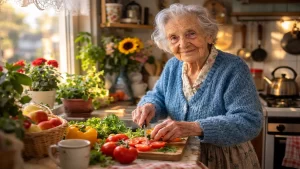
Centenarian Refuses Retirement Homes — Claims Simple Daily Routine Keeps Her Healthy
Why She Refuses a Retirement Home
Visitors often expect quiet when they enter Margaret’s house. Instead, they hear music playing on the radio, pots clattering in the kitchen, and her humming while watering dozens of houseplants.
To her, staying in her own home is about more than comfort.
She believes independence is essential to staying mentally and physically strong.
“In places like that, everything is scheduled,” she explains. “Meals, bedtime, activities. People stop deciding things for themselves.”
Margaret feels those everyday decisions—what to cook, when to walk, who to call—are what keep her mind sharp and her routine meaningful.
Despite doctors recommending assisted living twice, she politely declined and continued her usual life at home.
The Daily Habits She Believes Keep Her Healthy
Margaret doesn’t follow complicated wellness trends or strict diet plans. Her routine is made up of small, repeatable habits she has maintained for decades.
A Simple Morning Routine
Her day usually starts naturally between 6:30 and 7 a.m., without an alarm.
Her morning includes:
Drinking hot water with lemon
Sitting by the window for a few quiet minutes
Eating porridge with fruit, honey, and toast
She prefers familiar foods and avoids constantly changing diets.
“I’ve been eating the same breakfast longer than most diets have existed,” she jokes.
Gentle Movement Throughout the Day
Margaret doesn’t follow structured workouts. Instead, she keeps moving naturally during everyday tasks.
Her daily activity includes:
Walking several blocks to the postbox
Gardening and caring for her plants
Stretching while waiting for the kettle to boil
Rather than counting steps, she focuses on staying comfortable and active in her own environment.
Staying Social Every Day
One habit she never skips is talking to someone.
Every afternoon she calls a friend, neighbor, or family member. Some conversations last only a few minutes, while others stretch much longer.
She also writes handwritten letters each week.
“If I stop talking to people, I’ll start rusting,” she says with a smile.
Strong social connections have been widely linked to healthier aging, and Margaret believes staying connected helps her maintain a positive outlook.
Her Skeptical View of Medical Advice
Margaret doesn’t reject medical care, but she questions recommendations carefully.
Over the years she has:
Continued gardening despite advice to stop
Reduced medications after asking doctors which were essential
Adapted physical tasks rather than avoiding them completely
She believes understanding her own body plays an important role in maintaining health.
“Doctors help when something’s wrong,” she says. “But you still live in your own body.”
The “Three Anchors” That Structure Her Day
When asked for her longevity secret, Margaret laughs. Instead of complicated routines, she suggests building three simple anchors into every day.
Her personal anchors are:
Morning: Making her bed carefully every day
Afternoon: Taking a walk, even if it’s a short one
Evening: Writing one note of gratitude and one plan for tomorrow
These routines help keep the day structured and purposeful.
She believes small, repeated actions create stability over time.
Lessons From a Century of Independence
Margaret acknowledges that living alone at 100 may not be possible for everyone. She receives occasional help from neighbors and a cleaner twice a month.
Still, her lifestyle highlights an important idea: maintaining independence often comes from everyday decisions long before advanced age.
She believes people sometimes hand over too much control of their health and routines to external systems.
Her philosophy centers on simple practices:
Preparing her own meals
Moving every day
Staying socially connected
Questioning unnecessary medication
Remaining involved in daily decisions
For Margaret, these habits matter more than any single medical prescription.
FAQs
Is it safe for someone aged 100 to live alone?
Safety depends on health, home environment, and available support. Some centenarians remain independent with occasional help, while others require full-time care.
Does Margaret completely ignore doctors?
No. She consults doctors when necessary but prefers to ask questions and understand why treatments or medications are recommended.
Can daily habits really influence longevity?
Many studies suggest consistent habits—such as regular movement, balanced nutrition, and strong social connections—can significantly support long-term health.
Are retirement homes always a negative choice?
Not at all. Many people benefit from the support and community they provide. The key factor is whether the decision matches the individual’s needs and preferences.
How can younger people apply Margaret’s approach?
Starting small can help. Establish simple daily routines, maintain social connections, stay active, and take an active role in personal health decisions over time.