Tile floors quietly collect years of everyday life. Wet footprints, muddy shoes, cooking spills, and drifting dust slowly build up until the surface that once looked bright begins to appear dull. Over time, grout lines that used to look light and clean can turn darker, making the entire room feel less fresh.
Many homeowners assume restoring that shine requires strong chemical cleaners and harsh scrubbing. But in reality, you can revive your tile floors using simple natural ingredients that are already in your kitchen.
With a few easy steps and gentle cleaners, it’s possible to bring back brightness without filling your home with strong fumes.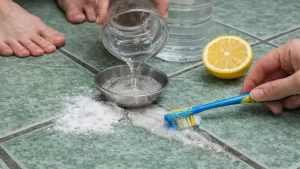
Bring Back the Shine to Dirty Tiles — DIY Cleaners — Using Simple Natural Solutions
When Dull Floors Start to Stand Out
Often, the change becomes noticeable in natural light. Sunlight streaming through a window can highlight streaks, stains, and dull patches across the tiles. Areas near the stove may show old cooking splashes, while entryways may reveal fine dirt trails from shoes.
These small signs appear gradually, so it’s easy to overlook them until the floor suddenly looks tired. While many people reach for chemical cleaners, the strong smell and irritation they cause can make the task feel unpleasant.
Fortunately, natural cleaning methods can solve the problem without harsh chemicals.
Why Natural Cleaners Work Well
Natural cleaning solutions rely on simple ingredients that break down dirt, grease, and mineral buildup. While they may work more gently than commercial products, they are effective and safer for indoor air.
Many of these ingredients are already in your home, making them convenient and budget-friendly.
The key is combining them properly and allowing a little time for them to lift dirt from the tile surface and grout lines.
Baking Soda: A Gentle Scrubbing Helper
Baking soda works as a mild abrasive cleaner. Its soft, powdery texture allows it to remove grime without scratching most tile surfaces.
When used as a paste or sprinkled onto grout lines, baking soda helps loosen stubborn dirt while remaining safe for many household surfaces.
This makes it an ideal option for restoring grout brightness.
Vinegar: A Natural Shine Restorer
White vinegar is well known for cutting through soap residue, water spots, and everyday grime.
When diluted with warm water, vinegar can help restore shine to ceramic and porcelain tiles. It breaks down the cloudy film that sometimes develops on tile floors after repeated mopping.
For grout cleaning, combining vinegar with baking soda creates a bubbling reaction that helps lift dirt from deep lines.
Lemon, Soap, and Salt: Helpful Additions
Other simple ingredients can improve your cleaning routine:
Lemon juice provides natural acidity that helps remove stains while leaving a fresh scent.
Mild dish soap or castile soap helps break down grease and oils from cooking areas.
Fine salt can act as an extra scrubbing aid for stubborn marks.
Together, these ingredients form an effective natural cleaning toolkit.
A Simple Routine for Cleaner Tiles
Refreshing tile floors does not require complicated tools or long hours. A basic cleaning routine can restore brightness in a single afternoon.
Step 1: Clear and Sweep the Floor
Remove rugs, chairs, and small items so the entire floor is visible. Sweep slowly to collect dust, crumbs, and dirt. This step prevents debris from spreading during mopping.
Step 2: Mix a Natural Tile Cleaner
A basic tile-cleaning solution is easy to prepare:
2 liters (about 8 cups) warm water – base cleaning liquid
½ cup white vinegar – removes residue and dull film
1–2 teaspoons mild dish soap or castile soap – lifts grease
Optional: 3–5 drops essential oil – adds a fresh scent
Use a mop or cloth to gently clean the tiles with this mixture.
Step 3: Clean Grout with Baking Soda
For darker grout lines:
Sprinkle baking soda along the grout.
Spray lightly with vinegar.
Allow the mixture to fizz for several minutes.
Scrub gently with a soft brush.
Rinse with warm water.
This method helps remove trapped grime from grout without aggressive chemicals.
Choose the Right Method for Your Tile Type
Different tile materials require different care.
Ceramic and porcelain tiles are durable and usually safe to clean with vinegar solutions and baking soda.
Natural stone tiles such as marble, travertine, limestone, and slate require extra caution. Acidic ingredients like vinegar and lemon can damage their surface. Instead, use warm water with a small amount of pH-neutral soap and a soft microfiber cloth.
Matching the method to the material helps maintain long-term tile quality.
Easy Habits That Keep Floors Looking Bright
Maintaining clean tile floors does not require constant deep cleaning. Small habits can prevent grime buildup.
Place doormats at entryways to reduce dirt entering the home
Sweep or dry-mop regularly to prevent dust accumulation
Wipe spills quickly before stains form
Clean grout occasionally to prevent dark buildup
These simple routines help keep tile floors looking fresh longer.
Final Touch: Gentle Buffing
After mopping and allowing the floor to dry slightly, use a clean microfiber cloth or dry mop to lightly buff the tiles.
This step removes remaining water marks and leaves a soft, natural shine.
A small finishing touch can make the room feel brighter and more welcoming.
FAQs About Natural Tile Cleaning
1. Can vinegar damage tile floors?
Vinegar is safe for ceramic and porcelain tiles, but it should not be used on natural stone tiles such as marble or travertine because its acidity can damage the surface.
2. How often should tile floors be cleaned?
Light sweeping or dry mopping can be done daily or several times per week, while deeper mopping with a cleaning solution can be done weekly or as needed.
3. Does baking soda really clean grout?
Yes. Baking soda acts as a mild abrasive that helps lift dirt from grout lines, especially when combined with vinegar or warm water.
4. What is the safest homemade tile cleaner?
A simple mixture of warm water, white vinegar, and a small amount of mild dish soap is one of the most common and effective natural tile cleaning solutions.
5. How can I keep grout from turning dark again?
Regular sweeping, wiping spills quickly, and occasional grout cleaning can help prevent dirt buildup that causes grout discoloration.