Recent heatwaves, droughts, and smaller harvests in Mediterranean regions, combined with higher labor and energy expenses, have tightened supply. Retail prices in Europe often hover around €10–€15 per liter, while the UK and US face smaller bottles and purchase limits.
For daily cooking, many are exploring a secondary oil that maintains flavor without stretching the budget.
Rapeseed (canola) oil: a practical alternative
Rapeseed, or canola in North America, is rich in heart-friendly fats:
~63% monounsaturated
~7% saturated
Plant-based omega‑3 (ALA)
It pairs well with a balanced diet of vegetables, legumes, and whole grains. While olive oil provides polyphenols and a signature flavor, rapeseed offers omega‑3s and a mild, slightly nutty taste. Alternating between the two covers more nutritional bases.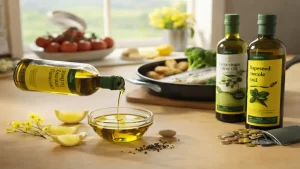
Affordable Cooking Oils Gain Popularity — Health-Conscious Shoppers Rejoice
Cooking with rapeseed oil
Refined: Handles high heat (~204°C / 400°F), ideal for sautéing, searing, roasting, and moderate frying.
Cold-pressed: Aromatic, perfect for dressings, finishing, and gentle pan cooking.
Extra-virgin olive oil remains best for flavor-forward dishes where its peppery notes shine.
Everyday uses
Dressings & marinades
Vinaigrettes: 3 parts rapeseed oil to 1 part lemon juice or balsamic
Marinades: combine oil with garlic, citrus, or spices for vegetables, poultry, or fish
Bean and grain salads: subtle flavor lets the ingredients stand out
Stovetop & oven
Sauté vegetables gently
Lightly sear fish or tofu
Roast vegetables without visible smoke
Baking & batters
Swap half butter for oil in cakes and muffins for moisture
Add a few tablespoons to quick breads or pancake batters
Smoothies
A teaspoon adds ALA omega‑3 for those who rarely eat oily fish
Buying and storing tips
Choose refined rapeseed for heat, cold-pressed for flavor
Store in a cool, dark cupboard, sealed tightly
Replace if it smells paint-like or bitter
Cost comparison
Olive oil: ~€0.18 per tablespoon
Rapeseed oil: ~€0.06 per tablespoon
Using rapeseed for half of weekly cooking can cut oil costs by 30–50% without sacrificing taste.
Keep olive oil in the mix
Extra-virgin olive oil for salads, finishing, and flavor-focused dishes
Rapeseed oil for daily cooking: sautéing, roasting, baking, and neutral dressings
FAQs
Q1: Can I completely replace olive oil with rapeseed?
Not necessarily. Rapeseed works well for everyday cooking, but extra-virgin olive oil shines in flavor-forward dishes.
Q2: Is rapeseed oil healthy?
Yes. It is rich in monounsaturated fats and plant-based omega‑3s (ALA), supporting heart health.
Q3: What’s the difference between refined and cold-pressed rapeseed?
Refined handles high heat; cold-pressed retains flavor and is best for dressings and low-heat cooking.
Q4: How long does rapeseed oil last?
Store sealed in a cool, dark place. Replace if it smells sharp, bitter, or paint-like.
Q5: Will switching save me money?
Yes. Using rapeseed for half your weekly cooking can cut oil spending by 30–50% while keeping meals tasty.