A plain white tub on a pharmacy shelf might not catch your eye. No frosted glass, no glitter, no influencer branding — just an unassuming moisturizer that looks like something your grandparents might have used. Yet dermatologists are quietly recommending it over flashy, expensive creams.
No perfume, no “age-reversing” promises, just a thick, old-school cream that does the job.
Why dermatologists choose the simple cream
Ask skin experts about dry, irritated skin, and they rarely pick photogenic, trendy products. They often turn to plain, effective creams — the kind that resemble a 1990s first-aid staple. This old-style moisturizer keeps appearing in dermatologist top picks while luxury brands fade into the background.
A London dermatologist recalls patients arriving with bags of pricey, scented creams, yet still complaining of redness and tightness. When she handed them the plain white tub, skepticism turned to loyalty after a few weeks. Word spread quietly, from clinic rooms to friends’ chats — no TikTok needed.
The reason is simple: this cream does its job without irritating skin. It focuses on barrier repair, using tried-and-true ingredients rather than flashy additives. Thick but breathable, rich but not greasy, it quietly restores skin health.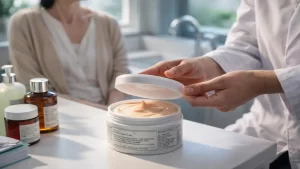
Old-Fashioned Cream Becomes Dermatologists’ Favorite — Outshines Popular Moisturizers
Minimal routines work best
Dermatologists often recommend pairing this moisturizer with a simplified skincare routine: one gentle cleanser, one moisturizer, and sunscreen. Applied to slightly damp skin, it locks in moisture like a soft protective layer.
Overloading your face with acids, retinol, and multiple serums often backfires. Sensitive skin reacts better to consistency and simplicity.
What’s inside the humble tub
These creams usually contain classic, effective ingredients:
Occlusives (petrolatum, mineral oil) to lock in moisture
Emollients (glycerin) to soften skin
Ceramides to support the barrier
No gimmicks, no proprietary complexes — just ingredients that calm irritation and prevent water loss.
How to use it effectively
Cleanse with lukewarm water and a non-stripping cleanser
Apply a pea-sized amount on slightly damp skin
Gently press into dry areas: cheeks, around the nose, jawline
For ultra-dry skin, add a second thin layer as a “night blanket”
Avoid mixing with harsh products simultaneously. Let your skin recover before reintroducing actives.
The quiet rebellion of skincare
Seeing an anonymous white tub outperform luxury brands proves results matter more than packaging. Effective skincare isn’t about unboxing moments — it’s about tolerance, consistency, and comfort.
Even expensive creams have a place, but the humble pharmacy staple often becomes the true hero of your routine.
FAQs
Q1: How can a no-name moisturizer be “number one” if I’ve never seen it advertised?
Dermatologists rank products based on tolerance, effectiveness, and patient results, not ads. Recommendations often happen quietly in clinics.
Q2: What should I look for on the label?
Choose fragrance-free, for sensitive skin, with ingredients like glycerin, petrolatum, and ceramides. Short ingredient lists are ideal.
Q3: Can people with oily or acne-prone skin use it?
Yes — opt for lighter, non-comedogenic versions and introduce gradually. Barrier repair benefits all skin types.
Q4: Will this cream replace all serums and treatments?
Not entirely. Use it as a base layer; targeted treatments can still be added if skin isn’t irritated.
Q5: How long until I see results?
Most dermatologists recommend 2–3 weeks of consistent use. Look for reduced redness, fewer dry patches, and softer skin.