The freezer often becomes a hidden trouble spot in busy households. Open the drawer for frozen peas, and you’re greeted by a layer of frost that seems to grow overnight. Containers stick, labels disappear, and cleaning turns into a chore most people avoid. But there’s a simple, food-safe method that can stop frost from clinging and make maintenance quick and easy.
A Small Change That Makes a Big Difference
Instead of scraping away stubborn ice every few weeks, try applying a very thin layer of food-grade glycerine after cleaning. This creates a nearly invisible film that prevents frost from bonding tightly to surfaces. Pair it with reusable freezer-safe liners, and spills or crumbs can be lifted out in seconds.
In one real-life example, after a full clean and this simple treatment, a freezer stayed noticeably clearer for weeks—no thick frost, no stuck containers, just smooth, easy access.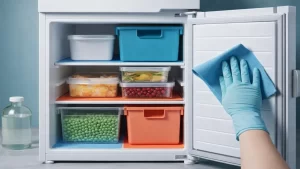
Stop Freezer Frost Now — Prevent Mess and Save Cleaning Time
Why Frost Builds Up
Frost isn’t a sign of poor maintenance—it’s part of everyday use. Each time the freezer door opens, warm air enters, condenses, and freezes. Over time, layers form, especially around spills or poorly sealed food.
Heavy frost doesn’t just look messy—it can also reduce efficiency. Studies suggest it may increase energy use by around 10–30%. Less frost means better airflow, more stable temperatures, and less strain on the appliance.
The Simple Anti-Frost Method
Here’s how to apply this easy solution:
Unplug the freezer and allow frost to loosen (placing bowls of warm water inside can help).
Wipe all surfaces completely dry.
Mix 1 teaspoon of food-grade glycerine with a cup of warm water.
Use a microfiber cloth to apply a very light, even film to interior plastic surfaces.
Add freezer-safe liners (such as silicone mats) to shelves and drawers.
Plug the freezer back in and restock once cold.
Tips for best results:
Avoid applying glycerine to door seals or sensors
Keep the coating thin—just a light sheen
Replace damaged liners promptly
Store food in airtight containers to reduce moisture
Everyday Benefits
After this quick setup, freezer maintenance becomes effortless. Drawers slide easily, food stays visible, and cleaning takes just a couple of minutes. You’ll waste less food, spend less time scrubbing, and enjoy a freezer that simply works better.
FAQs
Is glycerine safe to use in a freezer?
Yes, as long as you use food-grade glycerine (commonly found in baking aisles). Applied in a thin layer and allowed to dry, it’s safe and odorless.
How often should I reapply the coating?
Typically every 2–3 months, or after a deep clean. Reapply sooner if frost begins sticking again.
Will this work on frost-free freezers?
Yes. While frost-free models reduce ice buildup, this method still helps keep surfaces cleaner and prevents food from sticking.
Can I use cooking oil instead?
No. Oils can become sticky over time and may develop odors. Glycerine remains stable and non-greasy.
Does this affect freezer performance or warranty?
No, as long as you apply it only to interior plastic surfaces and avoid seals or electronic components.