The first cold week of autumn often exposes what’s really happening inside your home. Windows mist up, heating systems start working harder, and suddenly a dark, damp patch appears where everything looked fine just weeks ago. You touch the wall—slightly wet, powdery, and carrying that unmistakable musty smell.
A quick online search might push you toward a simple fix: bleach. But professionals who deal with walls every day strongly disagree.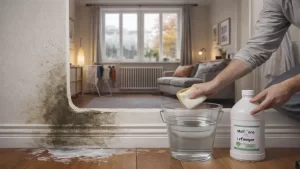
Simple Painter-Approved Method — Homeowners — Removes Damp for Good
Why painters avoid bleach for damp and mould
Experienced painters rarely rely on harsh chemicals like bleach or ammonia. Instead, they focus on something far more effective: understanding why damp appears in the first place.
Bleach may remove visible stains quickly, but it often:
Damages the paint surface
Traps moisture underneath
Allows mould to return even stronger
To professionals, damp isn’t just a surface issue—it’s a symptom of deeper problems like poor airflow, cold walls, or excess indoor moisture.
A smarter approach: treat the cause, not the stain
Imagine a typical scenario: a room with limited sunlight, cold walls, and furniture pushed tightly against them. Add indoor laundry drying and minimal ventilation, and you have the perfect environment for mould.
Instead of masking the problem, painters:
Identify moisture sources (humidity, leaks, condensation)
Improve airflow and temperature balance
Use gentle cleaning methods that don’t damage surfaces
This approach leads to long-term results, not temporary fixes.
The painter-approved cleaning method
When there’s no structural damage, professionals follow a simple but effective process:
1. Dry the room first
Open windows wide for 20–30 minutes
Turn on heating if possible
Let air circulate fully
2. Clean gently
Mix warm water with white vinegar (1:3 ratio)
Use a soft sponge
Wipe lightly—don’t scrub aggressively
3. Let it dry completely
Wait at least 24–48 hours
Ensure proper airflow during drying
4. Apply breathable finishes (if needed)
Use anti-mould primer or mineral-based paint
Avoid sealing moisture inside the wall
This slower process works because it removes mould without trapping moisture, which is the real cause of recurrence.
Daily habits that prevent damp from returning
In many homes, damp is less about structure and more about routine. Small changes can make a big difference:
Open windows briefly every morning and evening
Leave space (3–5 cm) between furniture and exterior walls
Use extractor fans in kitchens and bathrooms
Avoid drying clothes indoors without ventilation
Maintain indoor humidity between 40–60%
These habits reduce moisture buildup and make your home less inviting for mould.
Common mistakes to avoid
Many homeowners unintentionally worsen the problem:
Painting over damp patches too soon
Using glossy or non-breathable paint
Relying only on cleaning products instead of fixing airflow
Ignoring early signs like condensation or musty smells
Remember: paint is not a solution if the wall is still damp.
A healthier way to live with your walls
Once you shift your mindset from “removing stains” to “controlling moisture,” everything changes. You begin to notice patterns—where condensation forms, how air moves, and which areas stay cold.
Often, small adjustments like moving furniture or improving ventilation can stop mould from returning entirely. In more serious cases, a professional can identify hidden issues like leaks or insulation problems.
The key takeaway is simple:
If the air stays damp, the wall will keep showing it.
Key takeaways
| Key Point | Detail | Value |
|---|---|---|
| Gentle cleaning works best | Use diluted vinegar and soft wiping | Protects paint and removes light mould safely |
| Ventilation is essential | Short, regular airflow improves conditions | Prevents moisture buildup |
| Fix causes, not symptoms | Address humidity, leaks, and airflow | Stops recurring damp problems |
FAQ
1. Can I ever use bleach on mouldy walls?
Bleach is not recommended for regular damp issues on painted walls. It can damage surfaces and trap moisture. For severe cases, consult a professional.
2. How often should I clean a damp-prone area?
After proper cleaning, focus on ventilation. If mould returns, occasional vinegar cleaning is fine, but persistent issues need deeper investigation.
3. Will a dehumidifier fix the problem permanently?
A dehumidifier helps reduce moisture in the air but doesn’t solve the root cause. It should be used alongside better ventilation and repairs if needed.
4. What paint should I use after treating damp?
Choose breathable options like mineral or lime-based paints, or use anti-mould primers. Avoid glossy finishes that trap moisture.
5. When should I call a professional?
If damp patches grow quickly, walls stay wet, paint bubbles, or musty smells persist, it’s time to get expert help to check for structural issues.