Brown tips on a peace lily often look alarming, but they rarely signal a serious disease. Instead, they’re the plant’s way of showing stress caused by its environment. Small care adjustments can usually restore the plant’s lush green foliage.
Peace lilies thrive when their soil stays consistently moist, the air is slightly humid, and the light remains bright but indirect. When one of these conditions changes, the leaves respond quickly.
Below are the most common reasons peace lily leaves develop brown tips and how to correct them.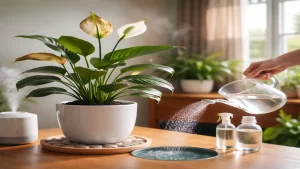
5 Reasons Peace Lily Leaves Turn Brown — What Experts Say and How to Fix It
What Brown Tips on a Peace Lily Mean
In most cases, brown leaf edges appear when the plant experiences dry air, inconsistent watering, mineral-heavy tap water, or excessive sunlight.
Each problem produces slightly different symptoms. Observing those signs carefully helps identify the correct solution.
Peace lilies generally prefer:
Evenly moist soil
Soft or filtered water
Bright, indirect light
Humidity levels between 45% and 60%
If one of these conditions slips, the leaves will often react.
The Five Most Common Causes of Brown Peace Lily Leaves
1. Low Humidity
Peace lilies have thin leaves that lose moisture quickly in dry air. When humidity drops, the edges of the leaves may turn tan or brown.
Indoor heating during winter can reduce humidity significantly.
How to fix it
Maintain humidity between 45% and 60%.
Use a small humidifier near the plant.
Group houseplants together to create a humid microclimate.
Place the pot on a pebble tray with water beneath it.
Light misting may help briefly, but it does not significantly raise humidity.
2. Underwatering
When soil becomes extremely dry, the leaves may droop dramatically. After watering, the plant often recovers, but the browned tips will not return to green.
How to fix it
Check the soil twice per week.
Water when the top inch of soil feels slightly dry.
Water deeply until excess drains from the bottom of the pot.
If soil has shrunk away from the pot, soak the container in water for 10–15 minutes to fully rehydrate it.
3. Overwatering
Constantly wet soil prevents roots from receiving oxygen and can lead to root rot. Leaves may turn yellow first and then develop brown patches.
How to fix it
Use a pot with drainage holes.
Allow the top inch of soil to dry before watering again.
Repot the plant if the roots appear mushy or smell sour.
Use fresh, well-draining soil if repotting becomes necessary.
4. Chemicals in Tap Water
Peace lilies can be sensitive to fluoride and mineral salts commonly found in municipal tap water. This often causes brown leaf tips with a pale edge.
You might also notice white mineral crust forming on the soil or pot.
How to fix it
Switch to rainwater, distilled water, or filtered water.
Let tap water sit overnight to release chlorine.
Flush the soil with clean water every few months to remove salt buildup.
5. Too Much Sunlight
Direct sunlight can scorch the delicate leaves of a peace lily. This often creates bleached or crispy spots on the side facing the window.
How to fix it
Move the plant slightly away from the window.
Use sheer curtains to filter strong light.
Provide bright, indirect light instead of direct sun exposure.
Should You Cut Brown Leaves?
Yes. Removing damaged foliage helps the plant redirect energy toward healthy growth.
Trim completely brown leaves at the base using clean scissors.
For leaves with only brown tips, cut off the damaged portion while following the natural leaf shape.
This also prevents dead tissue from attracting pests or fungal issues.
A Simple Peace Lily Care Routine
A consistent care routine prevents most browning problems.
Water
Soak thoroughly and wait until the top inch of soil dries slightly before watering again.
Light
Keep the plant in bright, indirect light and rotate it weekly for even growth.
Humidity
Maintain humidity around 45–60% using pebble trays or a humidifier.
Soil
Use a loose indoor potting mix with added perlite or bark for better drainage.
Fertilizer
Feed lightly in spring and summer with diluted fertilizer. Skip feeding during winter.
Pot
Always choose a container with drainage holes.
Extra Problems to Watch For
Cold drafts from doors or air conditioners can damage leaves overnight. Keep the plant away from strong airflow.
Dust buildup can also reduce plant health. Wipe leaves gently with a damp cloth instead of using leaf-shine sprays.
Spider mites may appear in dry environments. If you notice fine webbing, rinse the plant and increase humidity.
Resetting a Stressed Peace Lily
If multiple leaves are brown and the soil smells unpleasant, it may be time to repot.
Remove the plant from the pot.
Trim soft or damaged roots.
Repot in fresh, well-draining soil.
Water with filtered water and place in bright, indirect light.
Wait about four weeks before fertilizing again.
With proper care, new healthy leaves should appear soon.
Frequently Asked Questions (FAQs)
Why do peace lily leaf tips turn brown?
Brown tips usually result from low humidity, inconsistent watering, mineral-heavy water, excessive sunlight, or overwatering.
Can brown peace lily leaves turn green again?
No. Once a section of a leaf turns brown, it will not recover. However, new healthy leaves can grow once the care conditions improve.
How often should I water a peace lily?
Water when the top inch of soil feels slightly dry. This typically means once a week, but it can vary depending on temperature and humidity.
Is tap water safe for peace lilies?
Some tap water contains minerals and fluoride that can cause leaf tip browning. Filtered, distilled, or rainwater is usually better.
Should I remove brown leaves from my peace lily?
Yes. Trimming damaged leaves helps the plant focus energy on healthy growth and improves its appearance.