I was tired of scrubbing stubborn grease with harsh cleaners and hot water, only to see cloudy glasses and dull plates again. So I tried something unexpected: adding a pinch of salt to my dish soap. What seemed like a simple kitchen hack has now sparked a widespread debate—some call it genius, others warn against it.
Why people are adding salt to dish soap
Many households struggle with greasy residue that won’t fully wash away. That’s where this trick comes in. A small amount of salt—either mixed into dish soap or applied to a sponge—is said to boost cleaning power while feeling like a more “natural” solution.
The idea has spread quickly online. Supporters claim their dishes look clearer and cleaner, while skeptics argue it’s unnecessary and potentially harmful. This divide has turned a basic chore into a trending topic.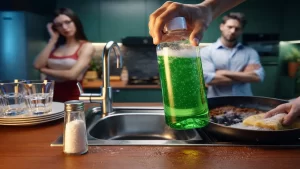
Warning: Salt in Dish Soap — Could Help Cleaning — But Raises Safety Concerns
What salt actually does in dish soap
Dish soap works because of surfactants that break down grease. Salt (sodium chloride) doesn’t replace that function, but it can enhance certain effects:
It slightly thickens the liquid, making it easier to control
It can alter water behavior, helping loosen grease
It acts as a mild abrasive for stuck-on food
These effects can make a noticeable difference, especially on heavily soiled cookware. However, part of the improvement may also come from more careful cleaning when trying a new method.
How to try the trick safely
If you’re curious, here’s the simplest approach:
Add ½ to 1 teaspoon of salt to a partially used bottle of dish soap
Close and shake well until fully mixed
Alternatively, sprinkle a small amount of salt directly onto a wet sponge before adding soap. This method is better for targeted cleaning of greasy pans or baked-on residue.
Where the risks come in
Despite its popularity, this hack isn’t risk-free:
Skin irritation: Salt can dry out hands with frequent use
Surface damage: Nonstick pans and delicate materials may get micro-scratches
Dishwashers: Regular salt should never replace dishwasher salt, which is specially formulated
Used incorrectly, the trick can do more harm than good.
Common mistakes to avoid
One major misconception is expecting dramatic results. Salt can help, but it won’t turn basic dish soap into a professional-grade cleaner.
Another mistake is overuse. Adding too much salt can negatively affect texture and increase the risk of irritation or damage.
Conclusion
The salt-in-dish-soap trend sits somewhere between useful hack and overhyped idea. It can improve cleaning for tough messes when used carefully, but it’s not essential for everyday dishwashing.
Ultimately, it comes down to preference—experiment carefully or stick with what already works.
FAQs
Does salt really make dishes cleaner?
It can help remove grease and stuck-on food, especially on heavily soiled items.
Is it safe for your hands?
Not always. Frequent use without gloves may cause dryness or irritation.
Can I use it on all cookware?
No. Avoid using salt on nonstick or delicate surfaces to prevent damage.
Can I put regular salt in a dishwasher?
No. Only use salt specifically designed for dishwashers.
Should I use this trick every day?
It’s best used occasionally for tough cleaning rather than daily use.