On a misty spring morning, just before sunrise, rows of young broccoli plants begin to catch the first soft light of the day. Their wide blue-green leaves hold tiny droplets of dew that carry the scent of fresh grass and cool soil.
Walking slowly between the garden beds, you might notice something unusual. The broccoli crowns are already forming—tight, compact, and deep green. Each floret sits closely packed together, creating a dense head that looks vibrant and healthy.
When you gently press the surface, the buds feel firm and resilient. This isn’t the loose broccoli many gardeners are used to growing. It signals a plant that has developed under ideal conditions—one designed to maximize both flavor and nutrition.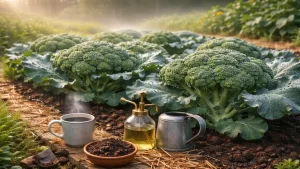
5 Steps to Grow Organic Broccoli — Tighter Heads and More Antioxidants — This Season
From Ordinary Harvest to Nutrient-Rich Broccoli
For many years, gardeners and small-scale farmers focused on a simple goal: harvest broccoli before warm weather caused plants to bolt. A tight head was considered a bonus, while flavor and nutrition were often secondary concerns.
However, researchers and soil-focused growers have begun to look at broccoli differently. This vegetable already has a strong reputation for being highly nutritious.
Broccoli naturally contains:
Vitamin C, which supports the immune system
Vitamin K, important for bone health
Glucosinolates, plant compounds linked to powerful antioxidants
These compounds help the body manage oxidative stress and support natural detoxification processes. One of the most studied compounds produced from glucosinolates is sulforaphane, known for its potential health-supporting properties.
But there’s an important detail many people overlook: the levels of these beneficial compounds are not fixed.
They can change depending on how the plant is grown.
Why Growing Conditions Matter
The concentration of antioxidants in broccoli responds to environmental factors such as:
Soil biology and microbial life
Mineral balance in the soil
Watering practices
Temperature shifts
Light exposure and shading
Mild natural plant stress
When these conditions are carefully managed, broccoli plants often produce tighter heads and may contain higher levels of protective plant compounds.
This means growing methods can influence both the appearance and the nutritional value of the harvest.
The New Organic Approach to Broccoli
The modern organic approach does not rely on a single fertilizer or product. Instead, it focuses on managing the entire growing environment.
Gardeners aim to create conditions where the plant naturally develops stronger structure and richer nutrient profiles.
Key principles include:
Building healthy soil with organic matter
Encouraging beneficial microbes
Maintaining balanced minerals
Providing consistent but moderate watering
Timing planting to avoid extreme heat
Under these conditions, broccoli often grows with firm, dense heads similar to those found at high-quality farmers markets.
The result is a vegetable that looks beautiful while also delivering the nutritional benefits broccoli is known for.
Soil: The Hidden Engine Behind Healthy Crops
The real transformation begins underground.
Healthy garden soil functions like a living ecosystem. Beneath the surface, countless microscopic interactions take place.
Fungal networks connect soil particles and plant roots.
Beneficial bacteria gather around tiny root hairs.
Earthworms pull organic material deeper into the soil.
Together, these organisms break down nutrients and make them available to plants.
Modern organic growers understand that this underground life is the true engine behind crop quality. When the soil ecosystem thrives, plants grow stronger, produce better harvests, and often develop richer nutritional profiles.
Frequently Asked Questions (FAQs)
1. Why is broccoli considered a nutrient-dense vegetable?
Broccoli contains vitamins C and K along with plant compounds like glucosinolates, which can convert into antioxidants such as sulforaphane.
2. Can growing methods affect broccoli nutrition?
Yes. Soil health, temperature, watering, and microbial activity can influence how plants develop and the levels of beneficial compounds they produce.
3. What makes organic soil important for broccoli?
Organic soil supports beneficial microbes, fungi, and earthworms that help deliver nutrients to plant roots and improve overall crop health.
4. Why do tight broccoli heads matter?
Dense, compact heads often indicate balanced growth conditions and may suggest better structure and freshness in the harvested vegetable.
5. Is it possible to grow high-quality broccoli at home?
Yes. With healthy soil, proper timing, and consistent care, home gardeners can grow broccoli that rivals high-quality farmers market produce.