Oats have become one of the most popular breakfast choices in recent years. Many people appreciate them because they are quick to prepare, affordable, and rich in nutrients that support steady energy throughout the morning.
A common question people ask is whether oats should be measured before cooking or after. The correct method is to measure them while they are still dry. On average, about 80 grams (1 cup) of dry rolled oats produces roughly 2 to 2.5 cups of cooked oatmeal, depending on how much liquid is used and the desired texture.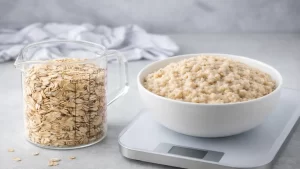
Cooking 1 Cup of Oats Correctly — Beginners — More Nutrition and Perfect Results
Why Measuring Dry Oats Matters
Interest in portion control and nutrition tracking has grown significantly as more people try to manage blood sugar levels and daily calorie intake.
Because of this, accurate measurements are important. Most nutrition labels and food-tracking platforms measure oats in their dry form, which makes it easier to calculate calories and nutrients consistently.
However, for everyday use, precision does not need to be perfect. A simple standard measuring cup works well and aligns with the measurements used in popular nutrition apps such as FatSecret and Eat This Much.
Nutrition in One Cup of Dry Oats
A typical 1-cup serving (about 80 grams) of dry oats provides a balanced combination of nutrients:
Calories: about 307
Carbohydrates: roughly 55 grams
Fiber: around 8–10 grams
Protein: approximately 10–11 grams
Oats also contain valuable minerals such as magnesium, manganese, and iron.
These nutrients contribute to steady energy levels and long-lasting fullness. Whether you choose rolled oats, steel-cut oats, or quick oats, their core nutritional value remains quite similar. The main differences usually relate to cooking time and texture.
What People Mean by “1 Cup of Oats”
When recipes or nutrition guides mention “1 cup of oats,” they are usually referring to dry whole-grain oats, not cooked oatmeal.
The confusion occurs because cooked oats expand significantly during preparation. Once water or milk is added and the oats cook, their volume increases to roughly two to two and a half times their original size.
Because of this expansion, most nutrition databases and recipe instructions always refer to dry measurements unless stated otherwise.
Why Oats Are Increasing in Popularity
Oats have gained attention among people interested in healthier eating habits. One major reason is their ability to provide slow-releasing energy thanks to complex carbohydrates and soluble fiber.
Unlike many processed breakfast foods that lead to rapid spikes in blood sugar, oats digest gradually and help maintain stable energy levels.
This shift toward oats reflects a broader trend in nutrition: many people now prefer whole foods that support long-term health, including heart health, digestive balance, and metabolic stability.
Another advantage is convenience. Preparing oatmeal typically takes less than ten minutes, making it a practical option for students, professionals, and families with busy schedules.
Types of Oats and How They Differ
Although all oats come from the same grain, they are processed in different ways. This affects how they cook and how they feel when eaten.
Rolled Oats
Rolled oats are steamed and flattened. They cook relatively quickly—usually within five to ten minutes—and have a creamy but slightly chewy texture.
Steel-Cut Oats
Steel-cut oats are whole oat groats that have been chopped into pieces. Because they are less processed, they take longer to cook, often around twenty to thirty minutes. Their texture is thicker and nuttier.
Quick Oats
Quick oats are pre-cooked and cut into smaller pieces before packaging. They cook in just a couple of minutes and are convenient for busy mornings.
Despite these processing differences, all plain oats offer similar nutritional benefits.
Key Factors to Consider When Portioning Oats
Several measurable factors help determine the right serving size:
Weight vs volume: One cup of dry oats typically weighs about 80–82 grams
Fiber content: A good serving contains at least 4 grams of fiber
Ingredient list: Ideally contains only whole-grain oats
Processing level: Less processed oats cook slower but often have firmer texture
Expansion during cooking: Half a cup of dry oats usually becomes about 1 cup cooked
Advantages and Possible Drawbacks of Oats
| Aspect | Advantages | Possible Drawbacks |
|---|---|---|
| Taste & Texture | Mild flavor that works with many toppings | Can become soft if overcooked |
| Nutrition | Rich in fiber, plant protein, and minerals | Contains phytic acid which may slightly reduce mineral absorption |
| Digestion | Beta-glucan supports gut health | Some people experience mild bloating at first |
| Preparation | Quick oats cook in minutes | Steel-cut oats require longer cooking |
| Versatility | Works in baking, smoothies, or savory dishes | Flavored versions may contain added sugar |
Choosing the Best Oats for Your Lifestyle
The best oat option often depends on personal preferences and daily routines.
People who want a quick breakfast may prefer quick oats, while those who enjoy a firmer texture often choose steel-cut oats.
When selecting oats, check labels carefully and choose products that contain 100% whole-grain oats without added sugars or artificial ingredients.
For consistent portion control, measure oats before cooking. A typical serving size is about ½ cup of dry oats (around 40 grams).
It is also wise to avoid flavored instant packets because some contain 10–15 grams of added sugar per serving.
Cost and Value of Oats
Oats remain one of the most affordable whole-grain foods.
Typical price ranges:
Rolled oats: about $3–$5 per 500 g package
Steel-cut oats: about $4–$6 per package
Quick oats: around $3–$4.50 per package
Buying oats in bulk can reduce the price even further. Compared with packaged breakfast bars or ready-made smoothies, oats provide better value per gram of fiber and protein.
Oats Compared With Other Grains
| Grain | Key Benefit | Possible Limitation | Price Range |
|---|---|---|---|
| Quinoa | Complete protein | Higher cost | High |
| Brown rice | Gluten-free and easy to digest | Lower fiber | Moderate |
| Farro | Chewy texture and nutty flavor | Contains gluten | Moderate |
| Oats | Balanced nutrition and heart support | Texture may not suit everyone | Low |
Storage and Safety Tips
When stored correctly in a sealed container away from heat and moisture, dry oats can remain fresh for 6 to 12 months.
Before using them, check for unusual smells or discoloration. Because oats contain natural oils, they may slowly become rancid if stored for too long.
People with gluten sensitivity should choose certified gluten-free oats, since cross-contamination can occur during processing.
Frequently Asked Questions (FAQs)
Should oats be measured dry or cooked?
Oats should generally be measured dry before cooking, since most nutrition labels and recipes use dry measurements.
How much cooked oatmeal does 1 cup of dry oats make?
One cup of dry oats usually produces about 2 to 2.5 cups of cooked oatmeal, depending on the amount of liquid used.
Are steel-cut oats healthier than rolled oats?
Both varieties offer similar nutrition. Steel-cut oats may digest slightly slower, but all plain oats are healthy whole grains.
What is a normal serving size of oats?
A typical serving is ½ cup of dry oats (about 40 grams), which becomes roughly 1 cup cooked oatmeal.
Can oats help keep you full longer?
Yes. Oats contain fiber and complex carbohydrates, which digest slowly and can help maintain fullness and stable energy levels.