Across many homes, a quiet shift in cooking habits is underway. Traditional stovetop pressure cookers are still used, but more families are turning to smart multi-cookers that automate the process and reduce the stress often associated with pressure cooking.
These modern appliances allow users to add ingredients, select a preset program, and let the device handle the rest. Instead of adjusting heat levels or listening for whistles, the cooker manages pressure, temperature, and timing automatically.
For busy households, this change is making weeknight meals easier and more predictable.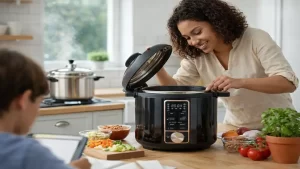
Kitchen Trend Shift — Home Cooks Move From Pressure Cookers to Safer Smart Appliances
From Kitchen Stress to Simpler Meal Prep
Weeknight cooking can be hectic. Between work responsibilities, school activities, and household tasks, preparing dinner often feels rushed.
Traditional pressure cookers can speed up cooking, but they also require attention. Users must monitor heat levels, lock the lid securely, and release pressure at the right time.
Smart cookers aim to remove that pressure.
A typical routine now looks like this:
Add chopped ingredients into the cooker
Select a preset such as “Stew,” “Rice,” or “Soup”
Press start and continue with other tasks
Instead of staying near the stove, many cooks simply return when the meal is ready.
Growing Demand for Smart Multi-Cookers
Retail analysts in the United States and Europe report a clear trend: interest in smart multi-cookers continues to grow, while demand for traditional stovetop pressure cookers has slowed.
Consumers today often look for features such as:
Smartphone connectivity
Preset programs for common dishes
Yogurt, rice, and bean cooking modes
Automatic pressure control
Rather than asking which pressure cooker works best on the stove, many shoppers now ask which model fits their digital lifestyle.
Why Smart Cookers Appeal to Modern Families
Beyond their sleek design, these appliances offer practical advantages.
Built-in Safety Systems
Modern cookers include multiple protection features such as locking lids, controlled steam vents, and automatic pressure monitoring. These layers reduce the risk of common accidents.
Automated Cooking
Sensors constantly track internal temperature and pressure, adjusting heat levels as needed. This reduces guesswork for home cooks.
Consistent Results
Preset programs help produce reliable outcomes for meals like rice, stews, yogurt, and beans.
For many households, these features make cooking feel more manageable during busy evenings.
How Automation Changes Everyday Cooking
Another reason for the shift is the mental convenience these devices offer.
Traditional pressure cooking often requires remembering specific cooking times or the number of pressure “whistles.” Smart cookers simplify that process with programmed settings.
Instead of calculating cooking times, users select a preset and let the appliance adapt automatically based on the food inside.
This small change removes much of the planning and monitoring that once came with pressure cooking.
Tips for Switching From a Traditional Pressure Cooker
For people transitioning to a smart cooker, experts recommend starting with familiar meals.
Good beginner options include:
Chili
Vegetable soup
Simple curries
Beef or chicken stew
Using preset programs first helps users learn how the appliance works. Over time, adjustments to timing and ingredients can help personalize recipes.
A Gradual Goodbye to the Classic Pressure Cooker
Traditional pressure cookers are unlikely to disappear completely. Many cooks still appreciate their simplicity and durability.
However, the growing popularity of smart cookers suggests a broader change in how people approach home cooking. Meals are becoming more automated, quieter, and easier to manage during busy routines.
For families balancing work, school, and home life, that convenience can make dinner preparation feel far less stressful.
Key Reasons People Are Interested in Smart Cookers
| Feature | What It Does | Benefit |
|---|---|---|
| Safety Locks | Prevent opening under pressure | Reduces accident risk |
| Preset Programs | Automates cooking for common dishes | Saves time and effort |
| Controlled Steam Release | Manages pressure gradually | Improves safety and consistency |
| Energy Efficiency | Uses sealed cooking environment | May reduce energy use |
| Automated Timing | Adjusts cooking time and heat | Less monitoring required |
Conclusion
Smart cookers are becoming a common tool in modern kitchens because they simplify one of the most time-consuming daily tasks: preparing dinner. By combining automation, safety features, and preset cooking modes, these appliances help families cook meals with less monitoring and fewer cooking mistakes.
While traditional pressure cookers still have their place, the shift toward smart multi-cookers reflects a broader trend toward convenience and technology-assisted cooking.
For many households, the result is a calmer, more manageable approach to everyday meals.
Frequently Asked Questions (FAQs)
1. What is a smart cooker?
A smart cooker is an electric multi-cooker that automates cooking tasks such as pressure cooking, slow cooking, steaming, and rice preparation using preset programs and sensors.
2. Are smart cookers safer than traditional pressure cookers?
Many smart cookers include safety features like locking lids, controlled steam vents, and automatic shut-off systems designed to reduce common cooking risks.
3. Can a smart cooker replace a pressure cooker?
In many cases, yes. Smart multi-cookers typically include a pressure-cooking function along with several additional cooking modes.
4. What foods can you cook in a smart cooker?
Common meals include soups, stews, rice, beans, yogurt, curries, and slow-cooked meats.
5. Do smart cookers save time?
They can help save time by automating cooking steps and reducing the need for constant monitoring during meal preparation.