Seeing a scratch on your once-perfect glass cooktop can be frustrating. One moment the surface is sleek and flawless, and the next there’s a faint line across the shiny black glass. It may have appeared after sliding a heavy pot or when tiny grains of salt or sugar were trapped under a pan.
Even if the scratch is small, it can draw your attention every time you enter the kitchen. When you touch it, you may feel a slight roughness, which raises immediate questions: Is the damage permanent? Do you need to replace the cooktop? Or can it be repaired?
The reassuring news is that many glass cooktop scratches are only cosmetic and can often be reduced or polished away.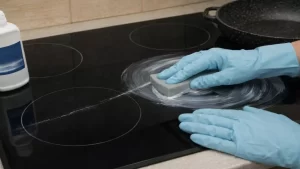
3 Easy Ways to Remove Glass Cooktop Scratches — Try Them at Home Today
Why Glass Cooktops Get Scratched
Glass cooktops are designed to be durable while offering a modern and elegant look. However, despite their strong appearance, the smooth glass surface can still be vulnerable to small scratches.
Common causes include:
Sliding cookware across the surface instead of lifting it
Tiny particles such as salt, sugar, or grit trapped under pans
Rough-bottom cookware like cast iron
Cleaning with abrasive pads or harsh tools
In many cases, the scratch may not appear immediately. It often becomes noticeable when the surface is cleaned and light reflects across the glass.
Fortunately, most minor scratches affect only the appearance and not the functionality of the cooktop.
Check How Deep the Scratch Is
Before attempting any repair, it’s important to determine how deep the scratch is.
Use bright lighting and view the mark from several angles.
Three common scratch levels include:
Light surface haze – Only visible at certain angles; your fingernail does not catch.
Visible scratch lines – The mark is noticeable and may slightly catch your nail.
Deep grooves – Clearly catches your nail and feels deeper.
Light scratches are usually easiest to improve, while deeper grooves may be harder to remove completely.
Choosing the Right Repair Tools
Start by thoroughly cleaning the cooktop. Use a cleaner specifically designed for glass cooktops along with a soft cloth to remove grease, dust, and residue.
Make sure the surface is completely dry before starting any repair.
Safe polishing materials include:
Baking soda paste
Non-gel toothpaste
Ceramic cooktop cream
Glass polishing compound
These materials work by gently smoothing the glass surface.
Avoid using:
Steel wool
Abrasive sponges
Rough scouring pads
Such tools can cause additional scratches.
Simple Methods to Reduce Scratches at Home
Always test your chosen method on a small, hidden area first.
1. Baking Soda Paste
Mix baking soda with a little water to create a paste.
Apply it to the scratch and rub gently in small circular motions with a microfiber cloth. Then wipe clean and inspect.
2. Non-Gel Toothpaste
Non-gel toothpaste contains mild polishing particles that can help smooth light scratches. Apply a small amount and rub gently before wiping away.
3. Cooktop Polishing Cream
Special cooktop creams are designed for glass surfaces. Apply a small amount and polish carefully until the scratch begins to fade.
4. Glass Polishing Compound
For more noticeable scratches, a glass polishing compound may produce better results. Use light pressure and polish slowly.
Deep scratches may not disappear completely, but careful polishing can make them far less visible.
Restoring the Shine
After polishing, clean the cooktop again to remove any residue. Many glass cooktop cleaners also leave a protective shine.
Use a dry microfiber cloth to buff the surface until it reflects light evenly again. Even if the scratch remains faintly visible, it will usually blend into the glossy surface instead of standing out.
Comparison of Scratch Repair Methods
| Method | Best For | Advantages | Possible Limitations |
|---|---|---|---|
| Baking soda paste | Light surface marks | Low cost and safe for glass | Not effective on deep scratches |
| Non-gel toothpaste | Light visible scratches | Easy to apply and mildly abrasive | May require repeated attempts |
| Cooktop polishing cream | Light to moderate scratches | Designed specifically for cooktops | More expensive than home remedies |
| Glass polishing compound | Multiple or stubborn scratches | Stronger polishing ability | Requires careful use |
How to Prevent Future Scratches
Simple daily habits can help keep your cooktop looking new.
Always lift pots and pans instead of sliding them
Check cookware bottoms for debris before placing them on the stove
Clean spills promptly, especially before reheating the surface
Avoid extremely rough cookware bases
Use heat-safe protective mats if recommended for your cooktop
These small steps can significantly reduce the chances of new scratches forming.
When Replacement May Be Necessary
If a scratch begins to resemble a crack, grows over time, or feels deeply gouged, it could indicate structural damage. In such cases, continuing to use the cooktop may be unsafe.
Professional inspection is recommended if:
The mark spreads or deepens
Heat resistance seems reduced
The glass shows signs of cracking
Fortunately, most everyday scratches are cosmetic and do not affect how the cooktop works.
Conclusion
A scratch on a glass cooktop can feel disappointing, especially when the surface once looked flawless. However, small marks are a normal part of everyday kitchen use. In many cases, simple polishing methods using gentle materials can significantly reduce their appearance.
With proper cleaning habits and careful cookware handling, you can maintain the sleek look of your cooktop and keep it shining for years.
Frequently Asked Questions (FAQs)
1. Can scratches on a glass cooktop be completely removed?
Light scratches can often be polished away or made nearly invisible. Deep scratches may remain but can usually be reduced in appearance.
2. Is it safe to keep using a scratched glass cooktop?
Yes, if the scratch is shallow and purely cosmetic. However, deep gouges or cracks should be inspected by a professional.
3. What is the safest home remedy for cooktop scratches?
Baking soda paste or non-gel toothpaste are commonly used because they provide gentle polishing without damaging the glass.
4. Can cast iron pans scratch glass cooktops?
Yes. Cookware with rough or uneven bottoms, including some cast iron pans, can scratch the surface if slid across the glass.
5. How can I prevent scratches in the future?
Lift cookware instead of sliding it, clean the surface regularly, and check for debris like salt or sugar before placing pots on the cooktop.