Cracked heels rarely appear suddenly. At first, the changes are subtle—thin white lines form across the skin of your heels, resembling a dry riverbed. They seem harmless, so it’s easy to ignore them.
You might assume it’s simply from walking barefoot around the house or wearing open sandals too often. But over time, the skin becomes rougher. One morning, you may step out of bed and feel a sharp sting beneath your heel. The small lines have turned into painful cracks, sometimes even catching on your socks.
Many people only notice the problem when walking becomes uncomfortable. By then, the skin is already very dry and under pressure.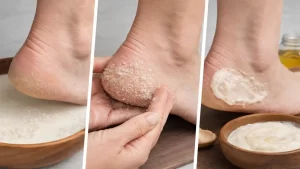
Warning: Ignoring Dry Cracked Heels — Simple Home Fixes Can Prevent Pain
A Simple and Effective Way to Care for Dry Heels
Dry, cracked heels are common, but the good news is that they’re often easy to improve. Treatment doesn’t need to be expensive or complicated.
In fact, many helpful ingredients are already in your kitchen. Everyday items like oil, honey, milk, and salt can gently restore moisture to dry skin. When used regularly, they help soften rough heels and support the skin’s natural healing process.
Taking just a few minutes each evening to care for your feet can make a noticeable difference.
What Your Heels Are Trying to Tell You
Your heels carry your body weight all day. Every step puts pressure on the thick skin at the back of your feet.
Because heels are often hidden by shoes, it’s easy to overlook early dryness. However, several daily habits can make the condition worse:
Walking barefoot on hard floors
Wearing shoes with open backs
Shoes with thin or unsupportive soles
Long hot showers
Cold weather or indoor heating
Lack of regular moisturising
The skin on your heels is naturally thick to protect your feet. But when it becomes too dry, it loses flexibility. Instead of bending as you walk, the skin begins to split—creating cracks that can become painful.
Fortunately, skin can repair itself when it receives proper care, hydration, and protection.
Natural Ingredients That Can Help Soften Heels
Your kitchen contains several gentle ingredients that support dry skin recovery.
Olive oil or coconut oil
These oils deeply moisturise and help soften rough skin. They are excellent for massages or homemade scrubs.
Honey
Honey helps the skin retain moisture and has soothing properties that calm irritated areas.
Milk and yogurt
Both contain natural lactic acid, which gently loosens dead skin and softens rough patches.
Sugar or salt
These act as mild exfoliants that help remove thick, dry skin layers.
Banana and avocado
Rich in vitamins and natural oils, these fruits can nourish severely dry heels when used as a mask.
A Relaxing Evening Routine for Cracked Heels
A simple nighttime routine can help restore moisture and comfort to your feet. The entire process takes about 15 minutes.
Step 1: Soak Your Feet in Warm Milk and Salt
Fill a basin with warm water that feels comfortable on your skin. Add:
½ cup milk
1–2 tablespoons salt
A small amount of olive oil
Soak your feet for 10–15 minutes. The warmth softens the skin, while milk and oil help restore moisture.
Step 2: Gently Exfoliate
Mix sugar or fine salt with olive oil or coconut oil to create a thick paste.
Rub the mixture onto your heels using slow circular motions, focusing on rough areas. Avoid scrubbing too hard—gentle care works best.
Rinse your feet with warm water afterward.
Step 3: Apply a Honey and Yogurt Mask
Combine:
1 tablespoon honey
1 tablespoon thick yogurt
A few drops of oil
Apply the mixture to cracked areas and leave it on for 10–15 minutes. This mask deeply hydrates and soothes the skin.
Rinse and dry your feet gently.
Overnight Oil Treatment for Softer Heels
Before going to bed, warm a small amount of olive oil or coconut oil in your hands. Massage it into your heels for a few minutes.
Then put on clean cotton socks before sleeping. Overnight moisture helps the skin absorb the oils more effectively.
By morning, many people notice their heels feel softer and less rough.
Daily Habits That Help Prevent Cracked Heels
Once your heels improve, simple habits can help prevent the problem from returning.
Helpful daily practices include:
Moisturising your feet after showers
Avoiding very hot water
Rotating different types of shoes
Wearing supportive footwear
Drinking enough water during the day
Treating dryness early before cracks appear
Small changes in daily care can significantly reduce heel problems.
When Home Remedies May Not Be Enough
In some cases, cracked heels require professional care. If cracks become very deep, painful, or begin bleeding, it’s important to seek medical advice.
Certain health conditions can slow healing, and a doctor or podiatrist may recommend specialised treatment.
While home remedies can improve comfort and hydration, professional care ensures the skin heals safely when cracks become severe.
FAQs About Cracked Heels
1. What causes cracked heels most often?
The most common cause is dry skin combined with pressure from standing or walking. Barefoot walking, open-back shoes, and lack of moisturising can worsen the problem.
2. Can kitchen ingredients really help heal cracked heels?
Yes. Natural ingredients like olive oil, honey, milk, and yogurt provide moisture and gentle exfoliation that support the skin’s healing process.
3. How long does it take for cracked heels to improve?
With daily care and moisturising, many people notice improvement within a few days to two weeks, depending on how deep the cracks are.
4. Is it safe to scrub cracked heels?
Gentle exfoliation is helpful, but harsh scrubbing can make cracks worse. Always exfoliate lightly and moisturise afterward.
5. When should I see a doctor for cracked heels?
You should seek medical advice if cracks become deep, painful, start bleeding, or don’t improve after consistent home care.