Fine hair often looks flat or lifeless, and sometimes the problem is not styling but the shampoo you use. Because fine hair strands are naturally thinner, they can be weighed down easily by heavy ingredients. Even small amounts of residue from oils, silicones, or rich conditioning agents may cling to the hair shaft, making hair appear limp and dull.
Choosing the right shampoo can make a major difference. Lightweight formulas that cleanse effectively while supporting scalp health can help fine hair appear fuller and more manageable.
Below is a detailed guide to the best shampoos for fine hair, along with expert insights on how to choose the right formula.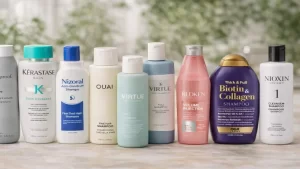
Best Shampoos for Fine Hair in 2026 — Lightweight Formulas That Boost Volume
Understanding Fine Hair vs Thin Hair vs Thinning Hair
Many people confuse fine hair with thin or thinning hair, but these terms describe different conditions.
Fine hair refers to the thickness of individual strands. Each strand is smaller in diameter.
Thin hair means lower hair density, with fewer hair follicles per square inch of scalp.
Thinning hair occurs when hair density gradually decreases due to hair loss.
This distinction matters because shampoos for fine hair typically focus on volume and lightweight cleansing. Shampoos designed for thinning hair often target scalp health and follicle support.
Dermatology experts emphasize that maintaining a balanced scalp is essential. Issues like buildup, irritation, or flaking can cause fine strands to clump together, making hair appear even thinner.
How We Selected the Best Shampoos for Fine Hair
To identify effective options, more than 30 highly rated shampoos were evaluated. The selection considered:
Ingredient quality
Scalp compatibility
Cleansing performance
Ability to add volume without heaviness
Dermatology research and expert recommendations were also reviewed to ensure each product supports healthy hair and scalp conditions.
1. Living Proof Full Shampoo – Best Overall for Volume
This lightweight formula helps fine hair achieve visible lift from the first wash. Instead of heavy silicones, it uses advanced polymers that separate strands and prevent them from sticking together.
As hair dries, it appears thicker and fuller. With regular use, hair often feels bouncier and styles hold better throughout the day.
However, because the formula focuses on volume, some people may need conditioner to prevent dryness at the ends.
2. Kérastase Spécifique Bain Divalent – Best for Oily Roots
Fine hair combined with an oily scalp requires a careful balance between cleansing and maintaining volume.
This shampoo contains ingredients like salicylic acid and vitamin B6 that help regulate oil production while protecting the mid-lengths of the hair.
By reducing excess oil and buildup, hair stays cleaner and lighter for longer periods.
3. Nizoral Anti-Dandruff Shampoo – Best for Scalp Health
When dandruff or scalp irritation is present, fine hair can appear even thinner.
This shampoo contains ketoconazole, an antifungal ingredient that targets the yeast responsible for dandruff. By improving scalp balance, it can help hair appear healthier and fuller.
Dermatologists usually recommend using ketoconazole shampoos two or three times per week, alternating with a gentle everyday shampoo.
4. Sulfate-Free Shampoo for Color-Treated Fine Hair
Fine hair that has been colored requires gentle cleansing to prevent fading and damage.
A sulfate-free formula can remove buildup while preserving color vibrancy. Many users report that these shampoos improve shine and styling manageability without weighing down delicate strands.
They are especially useful for people with oily roots and dry ends.
5. Vanicream Shampoo – Best for Sensitive Scalps
People with fine hair and sensitive scalps often struggle to find mild products.
This minimalist shampoo avoids dyes, fragrance, lanolin, and many common irritants. While it does not add dramatic volume, it helps maintain scalp comfort and protects fragile strands through gentle cleansing.
Because of its mild formula, it can be used daily.
6. OUAI Fine Hair Shampoo – Best Daily Thickening Shampoo
This shampoo adds subtle body using lightweight polymers and humectants that temporarily expand the hair shaft.
The result is fuller-looking hair that still moves naturally and maintains shine. It also improves styling flexibility without leaving a heavy residue.
7. OGX Thick & Full + Biotin & Collagen – Best Budget Option
This affordable formula helps create the appearance of thicker hair while improving root lift.
It contains light silicones that enhance smoothness and slip, although buildup may occur with long-term use. Switching occasionally to a clarifying shampoo can help maintain volume.
8. Virtue Full Shampoo – Best Protein-Based Formula
This premium shampoo includes Alpha Keratin 60ku, a protein designed to strengthen fine hair by filling structural gaps along the hair shaft.
The formula helps remove excess oil while improving strand strength and manageability. Although it is a higher-priced option, many users find it effective for maintaining fullness.
9. Redken Volume Injection Shampoo – Best Salon-Style Volume
Designed for limp hair, this formula uses a Bodifying Complex with Filloxane to enhance root lift and fullness.
While it delivers noticeable volume, the presence of sulfates and silicone polymers means occasional clarifying may be necessary to prevent buildup.
10. Nioxin System 1 Shampoo – Best for Early Thinning
This shampoo targets fine hair that is beginning to thin.
It removes follicle-clogging buildup and refreshes the scalp, creating an environment that supports healthier hair growth. Many users report a cooling sensation and improved scalp cleanliness after use.
For best results, it is typically used as part of a three-step system.
When to Use Clarifying Shampoos for Fine Hair
Fine hair is especially prone to product buildup, which can weigh strands down.
Occasional use of a clarifying shampoo, such as those containing salicylic acid, can remove residue and restore volume. However, overuse may lead to dryness, so it is best used about once per week.
What Dermatologists Recommend for Fine Hair
Hair specialists generally suggest choosing shampoos that:
Provide deep cleansing without heavy conditioning
Avoid excessive silicones and oils
Support scalp health
Leave lightweight polymers or proteins for temporary fullness
Plant-based ingredients such as rosemary oil, pumpkin seed oil, and saw palmetto may also support scalp health and reduce factors associated with hair thinning.
Thickening vs Volumizing Shampoos
These two types of shampoos work differently.
Thickening shampoos temporarily expand individual strands, making hair feel denser.
Volumizing shampoos focus on lifting hair at the roots and improving movement.
Both can improve the appearance of fine hair, but the best option depends on whether you want thicker strands or more overall lift.
Can Shampoo Regrow Hair?
Most shampoos cannot regrow hair on their own. While ingredients like caffeine or ketoconazole may support scalp health or reduce shedding slightly, they do not replace medical treatments.
Clinically proven treatments such as minoxidil, finasteride, microneedling, or platelet-rich plasma therapy work deeper in the hair growth cycle.
However, the right shampoo can still improve scalp conditions and help existing hair appear fuller and healthier.
Conclusion
Fine hair requires careful product selection because the wrong shampoo can easily weigh it down. Lightweight formulas that cleanse effectively, maintain scalp balance, and add subtle body can dramatically improve the appearance of volume.
Whether you need oil control, scalp support, or color protection, choosing the right shampoo can help fine hair look fuller, healthier, and easier to style.
Frequently Asked Questions (FAQs)
1. What type of shampoo is best for fine hair?
Lightweight volumizing or thickening shampoos that cleanse thoroughly without heavy oils or silicones are usually best for fine hair.
2. Should people with fine hair avoid silicones completely?
Not necessarily. Some lightweight silicones can add shine and smoothness, but heavy or buildup-prone silicones may flatten fine hair.
3. How often should fine hair be washed?
Many people with fine hair wash it every day or every other day because oil buildup becomes visible more quickly.
4. Can volumizing shampoos actually make hair thicker?
Volumizing shampoos do not permanently thicken hair, but they can temporarily lift roots or expand strands to create the appearance of fuller hair.
5. Is fine hair the same as thinning hair?
No. Fine hair refers to strand thickness, while thinning hair refers to a reduction in the number of hair follicles over time.