An aromatherapy stress relief candle—such as the Bath & Body Works Eucalyptus Spearmint 3‑Wick Candle—can be an easy daily ritual to help create a calmer environment. Many people now turn to sensory tools like scented candles to pause during busy days.
Over the past year, interest in aromatherapy candles has grown as more people search for simple, non-invasive ways to shift their mood and focus. Instead of complicated wellness routines, small habits—like lighting a candle during a quiet moment—are becoming increasingly popular.
This guide explains what aromatherapy stress relief candles are, how they work, and what features matter most when choosing one.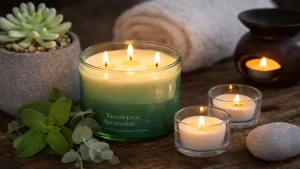
5 Tips to Choose the Best Aromatherapy Candles for Stress Relief — A Quick Guide
What Is an Aromatherapy Stress Relief Candle?
Aromatherapy candles release fragrance when burned, often using essential oils associated with relaxation. Unlike typical scented candles, aromatherapy varieties highlight botanical ingredients such as eucalyptus and spearmint.
These scents are often used to help create a calm atmosphere during activities like:
Evening wind-down routines
Mindfulness or breathing exercises
Bath time relaxation
Quiet reading or journaling
For example, candles in the Bath & Body Works Aromatherapy collection use blends of soy-based wax and multiple wicks designed to distribute fragrance across medium or large rooms.
While these candles are not medical treatments for stress, they can act as environmental cues that signal it’s time to slow down and relax.
Why Aromatherapy Candles Are Becoming More Popular
One reason for their growing popularity is the shift toward small wellness rituals. Many people prefer quick habits that fit easily into daily life instead of major lifestyle changes.
Lighting a candle during a short relaxation break can create a mental transition from busy activity to rest.
Several factors contribute to this trend:
Increased awareness of mental fatigue and daily stress
Desire for simple self-care practices
Interest in home environments that support relaxation
Greater transparency about candle ingredients
Many brands now list the essential oils used and offer wax blends made from soy or other plant-based ingredients. For most users, the key is simply choosing a scent that feels comfortable and not overly strong.
Common Types of Aromatherapy Candles
Not all candles work the same way. Different designs influence how quickly scent spreads and how long the candle lasts.
1. Single-Wick Soy Candles
Smaller and slower-burning
Ideal for desks or bedrooms
Produces a softer scent
2. Triple-Wick Candles
Products like the Bath & Body Works Eucalyptus Spearmint 3‑Wick Candle fall into this category.
Designed to fill larger spaces with fragrance
Creates a melt pool quickly
Often produces stronger scent throw
3. Votive or Tea Light Sets
Smaller candles used in groups
Decorative and flexible placement
Lower scent intensity
The best choice depends on the room size and how quickly you want fragrance to spread.
Key Features to Consider Before Buying
When choosing an aromatherapy candle, several measurable factors can influence your experience.
Wax Type
Plant-based waxes generally burn cleaner.
Common options include:
Soy wax
Coconut wax
Beeswax blends
Wick Count
1 wick: slower burn and lighter fragrance
3 wicks: stronger scent and faster wax melt
Burn Time
Most candles last 25–45 hours, depending on airflow and burn sessions.
Fragrance Source
Some candles use pure essential oils, while others blend them with fragrance oils. Essential oils often create more subtle, natural scents.
Scent Profile
Popular aromatherapy blends include eucalyptus and spearmint. Together they produce a crisp, refreshing scent that many people find mentally uplifting.
Pros and Cons of Aromatherapy Stress Relief Candles
| Aspect | Benefits | Possible Downsides |
|---|---|---|
| Scent Experience | Fresh fragrance can quickly shift the atmosphere | Strong scents may bother sensitive users |
| Burn Performance | Long burn time with proper wick care | Needs monitoring to avoid tunneling |
| Wellness Routine | Encourages relaxing habits like journaling or meditation | Not a clinical stress treatment |
| Environmental Impact | Soy wax options are biodegradable | Packaging sometimes includes plastic |
Tips for Choosing the Right Candle
If you’re considering an aromatherapy candle, these steps can help:
1. Decide where you’ll use it
Large rooms may need multi-wick candles, while small spaces work well with single-wick options.
2. Check the wax ingredients
Plant-based wax blends generally produce less soot.
3. Test the scent if possible
Fragrance descriptions like “fresh” or “crisp” vary between brands.
4. Pay attention to wick design
More wicks usually mean faster scent release but require closer supervision.
5. Follow proper burn instructions
Trim wicks to about 1/4 inch and allow the first burn to last long enough to create a full melt pool.
Ventilation also matters. Even clean-burning candles release small particles, so moderate airflow is recommended.
Price and Value Comparison
Aromatherapy candles are available across several price ranges.
Typical examples include:
Bath & Body Works Eucalyptus Spearmint 3‑Wick Candle (14.5 oz): about $25
Standard soy candle (8 oz): about $12–$15
Artisan brands like P.F. Candle Co.: about $30–$36 for 8.5 oz
For frequent users, the cost per hour may be a useful comparison. A $25 candle lasting 40 hours costs roughly $0.63 per hour of use.
For occasional use, overall ownership cost is typically low.
Alternatives to Aromatherapy Candles
Some people prefer other fragrance solutions depending on their needs.
| Option | Best Use | Drawbacks | Cost |
|---|---|---|---|
| Aromatherapy candle | Relaxation rituals and ambiance | Fire safety required | $20–$30 |
| Essential oil diffuser | Continuous scent control | Higher initial cost | $30–$70 |
| Room spray | Quick refresh | Short-lasting scent | $5–$12 |
| Incense sticks | Traditional atmosphere | Produces smoke and ash | $10–$15 |
Candles remain popular because they combine fragrance with the visual warmth of a flame.
Common User Feedback
Customer reviews frequently highlight a few consistent experiences.
Positive comments often include:
Fresh scent that stays balanced
Good fragrance coverage in larger rooms
Reusable glass containers
Some complaints include:
Uneven wax melt if wicks aren’t trimmed
Price concerns compared with smaller candles
Occasional weaker scent in older stock
Proper burning technique can reduce many of these issues.
Safety and Maintenance Tips
To ensure safe candle use:
Do not burn candles for more than four hours at a time
Keep them away from curtains, paper, and other flammable materials
Place candles on heat-resistant surfaces
Stop using when about ½ inch of wax remains
It is also important to remember that “aromatherapy” is typically a marketing term in candles. These products create relaxing environments but are not intended to diagnose or treat medical conditions.
FAQs About Aromatherapy Stress Relief Candles
1. Do aromatherapy candles really reduce stress?
Aromatherapy candles may help create a relaxing atmosphere, which can support stress-relief routines. However, they are not medical treatments for chronic stress or anxiety.
2. What scent is most common for stress relief candles?
Blends containing eucalyptus, lavender, or mint are commonly used. The eucalyptus-spearmint combination is especially popular for its crisp, refreshing fragrance.
3. Are soy candles better than paraffin candles?
Soy and other plant-based waxes often burn cleaner and produce less soot than paraffin. Many consumers prefer them for indoor air quality.
4. How long should you burn a candle each time?
Experts generally recommend 2–3 hours per session during the first burn to create a full melt pool, and no more than 4 hours total in one session.
5. Can aromatherapy candles replace essential oil diffusers?
Not exactly. Candles provide both fragrance and visual ambiance, while diffusers allow longer fragrance release without an open flame.