When someone first pours hydrogen peroxide into a bowl, adds a spoonful of baking soda, and watches it fizz, it can look like a social media trick. But that bubbling reaction is basic chemistry — and experts say it has very real uses when handled correctly.
From stained cutting boards to grout lines and even surface tooth stains, this affordable household pair is quietly becoming a go-to solution for targeted cleaning and whitening.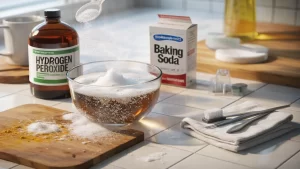
Why Experts Are Discussing Baking Soda and Hydrogen Peroxide Together — Studies Point to a Wide Range of Practical Applications
Why This Simple Combo Works
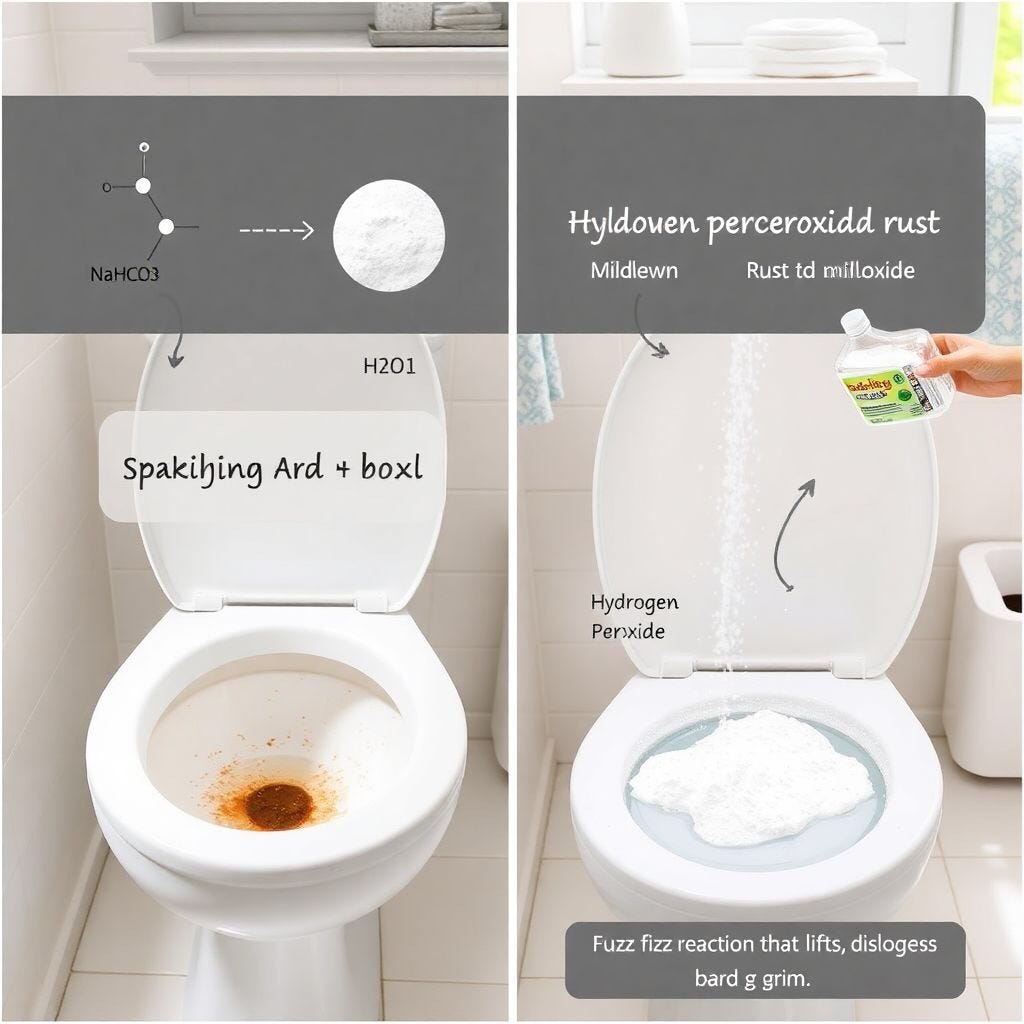

Baking soda (sodium bicarbonate) is a mild abrasive and deodorizer. Hydrogen peroxide (commonly sold in 3% brown pharmacy bottles) is a low-level disinfectant and oxidizer.
When combined:
Baking soda gently scrubs and raises pH
Hydrogen peroxide releases oxygen
The fizzing reaction helps loosen debris, stains, and some microbes
The oxygen released during oxidation can break apart pigments from coffee, wine, turmeric, and other stains. That’s why this mixture often works on porous surfaces like cutting boards and grout.
Experts emphasize: it’s not magic — it’s chemistry.
Where Professionals Say It Can Help
1. Surface Stains on Teeth
Many whitening toothpastes already contain mild abrasives and low-level peroxide. Some dental professionals suggest a diluted paste (used occasionally) to help reduce surface stains.
How it’s typically done:
Mix a small amount of baking soda with enough 3% hydrogen peroxide to form a thin paste
Brush gently for 30–60 seconds
Rinse thoroughly
Use no more than once or twice a week
This is not a replacement for regular toothpaste or professional whitening. It’s a maintenance method — not a daily routine.
2. Tile Grout & Bathroom Surfaces
Sprinkle baking soda directly onto grout or sinks, then apply a small amount of hydrogen peroxide. Let it fizz for 5–10 minutes before lightly scrubbing and rinsing.
The result? Dingy grout can appear brighter without the strong odor of bleach.
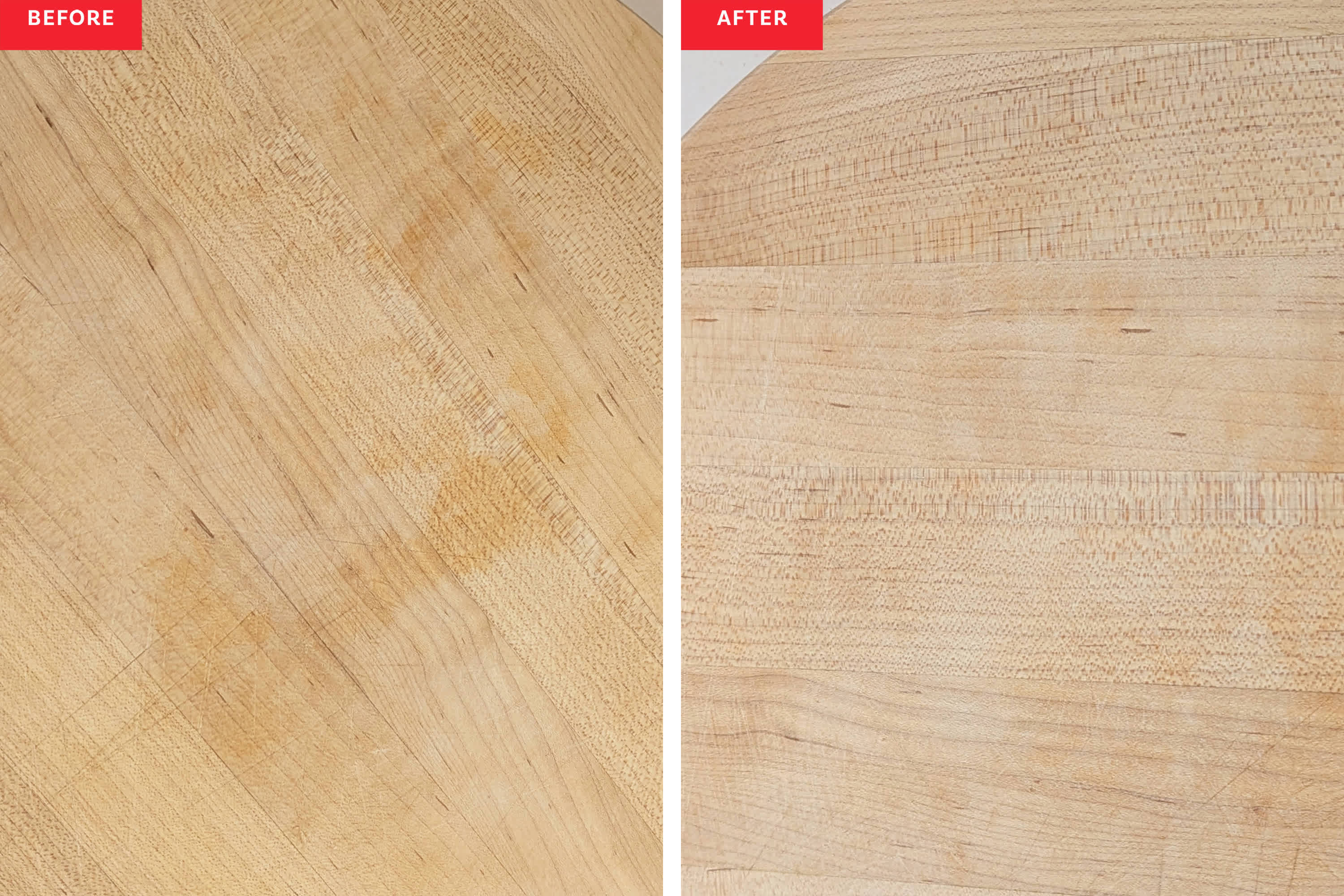
3. Cutting Boards & Kitchen Surfaces
Stains from turmeric, berries, or raw ingredients can settle into grooves. The fizzing action helps lift discoloration while the mild abrasion supports removal.
Always rinse thoroughly after cleaning food-prep surfaces.
4. Small Metal Tools
Items like tweezers, nail clippers, or toothbrush heads can be soaked briefly in 3% hydrogen peroxide with a pinch of baking soda for about 10 minutes.
This may help reduce surface germs. Rinse and dry completely before reuse.
Where Experts Urge Caution



While the mixture is versatile, it must be used responsibly.
Safety guidelines commonly recommended by professionals include:
Use only 3% hydrogen peroxide (standard pharmacy strength)
Avoid prolonged contact with skin or teeth
Do not use on delicate fabrics without patch testing
Never ingest
Keep away from children and pets
Avoid frequent use on skin to prevent irritation
Hydrogen peroxide is still a chemical disinfectant. Overuse can irritate tissues or damage surfaces.
Why It’s Trending Again
In an era of specialty sprays and niche products, many people are rediscovering simple, low-cost solutions backed by decades of research.
This combination:
Is inexpensive
Is widely available
Requires no complex instructions
Solves multiple small household problems
However, experts do not recommend it as a universal replacement for bleach, prescription dental care, or medical treatments.
It works best for targeted, controlled use — not as an everyday cure-all.
Practical Takeaways
| Key Point | Detail | Reader Benefit |
|---|---|---|
| Safe Basic Mix | Baking soda + 3% hydrogen peroxide | Affordable cleaning & whitening option |
| Multi-Purpose Use | Teeth stains, grout, boards, tools | One solution for many small tasks |
| Controlled Application | Short contact time + patch test | Reduces risk of irritation or damage |
Frequently Asked Questions (FAQs)
1. Is baking soda and hydrogen peroxide safe to use at home?
Yes, when using standard 3% hydrogen peroxide and following safety guidelines, it can be safe for short-term, controlled applications.
2. Can it replace professional teeth whitening?
No. It may help reduce surface stains but does not replace professional dental treatments.
3. How often can I use it on teeth?
Most dental professionals recommend no more than once or twice per week to avoid enamel irritation.
4. Does it disinfect surfaces completely?
Hydrogen peroxide can reduce certain microbes, but it may not replace stronger disinfectants required for high-risk contamination.
5. Can I use stronger peroxide for better results?
No. Higher concentrations increase the risk of burns and damage. Only use 3% unless directed by a healthcare professional.