As more people search for natural ways to manage stress, aroma oils for stress relief have become a widely used option. Many wellness sources often mention essential oils such as lavender, bergamot, and frankincense for creating a calmer atmosphere without relying on medication or complex treatments.
Over the past year, interest in calming scents has steadily increased. The reason isn’t that these oils are new. Instead, changing daily routines—working from home, constant digital exposure, and irregular schedules—have made stress more noticeable.
The real question today is not whether essential oils “work.” It’s how they can fit into everyday routines without adding more complexity.
For most people, the simplest approach works best. Start with one well-known oil such as lavender and use it consistently through a diffuser, a roller blend, or a pillow mist. Variety is less important than routine.
Common distractions—like worrying about purity grades or chasing luxury brands—often matter less than people think. What actually makes a difference is how regularly the oil is used and how easily it fits into daily life.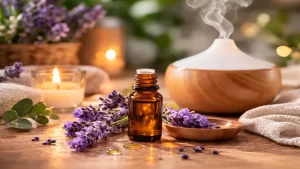
5 Simple Ways to Use Aroma Oil for Stress Relief — Try Them Today
What Aroma Oils Are and How They Work
Aroma oils, commonly called essential oils, are concentrated plant extracts obtained through steam distillation or cold pressing.
For stress relief, they are typically used in two ways:
Inhalation: Through diffusers or inhalers
Topical application: When diluted with carrier oils
Unlike supplements or medications, essential oils are not meant to be ingested and do not claim to treat medical conditions. Instead, they function as sensory cues—familiar scents that encourage the nervous system to relax.
Rather than eliminating stress completely, aromatherapy helps create small mental pauses that allow the mind to reset.
To maintain quality, natural aroma oils are usually stored in dark glass bottles that protect them from light and preserve their potency.
Why Aroma Oils Are Becoming More Popular
Interest in scent-based wellness tools has grown quietly but steadily.
Modern lifestyles often include:
Long hours in front of screens
Less physical movement
Hybrid or remote work environments
Constant digital notifications
These conditions can lead to subtle stress signals such as mental fatigue, shallow breathing, or irritability.
Aromatherapy appeals to many people because it offers several advantages:
Minimal setup
Low long-term cost
Immediate sensory feedback
No learning curve
Another reason for its popularity is accessibility. Affordable diffusers, pre-blended roll-ons, and refillable glass bottles make it easy for beginners to start.
For most people, a single diffuser with lavender oil used regularly can be more effective than owning multiple oils that rarely get used.
Common Ways to Use Aroma Oils
There are three primary methods people use for stress relief. Each offers different benefits depending on lifestyle and preferences.
1. Diffusers (Inhalation)
Advantages
Covers an entire room
Passive and relaxing
Ideal for sleep routines
Potential drawbacks
Effects may appear gradually
Requires occasional cleaning
Typical cost: $15–$40
2. Topical Rollers (Diluted Oils)
Advantages
Portable and convenient
Quick sensory feedback
Easy to use during busy days
Potential drawbacks
Requires dilution with carrier oils
Skin sensitivity may occur
Typical cost: $10–$30
3. Room or Linen Sprays
Advantages
No equipment required
Fast environment refresh
Good for travel
Potential drawbacks
Effects fade quickly
Alcohol-based sprays may affect surfaces
Typical cost: $8–$20
For most users, the decision is simple:
Choose diffusers for relaxing evenings or yoga sessions.
Use roll-ons for workdays or commuting.
Try linen sprays when refreshing a room.
Features to Look for When Choosing Aroma Oils
When purchasing essential oils, a few basic details can help ensure quality.
Botanical Name
Look for the plant’s scientific name, such as Lavandula angustifolia for true lavender.
Extraction Method
Steam distillation is the most common method. Citrus oils are often cold-pressed.
Bottle Type
Dark amber or cobalt glass helps protect oils from sunlight.
Dilution Guidelines
For skin use, a 2–3% dilution (around 12–18 drops per ounce of carrier oil) is typical.
Some brands offer third-party lab testing, but for casual users, clear labeling and consistent quality matter more.
Pros and Cons of Aroma Oils for Stress
Benefits
Easy to incorporate into daily routines
Non-invasive and generally safe when used properly
Encourages mindfulness and relaxation rituals
Works well alongside yoga, breathing exercises, or meditation
Limitations
Effects are subtle and vary between individuals
Oil quality can differ between suppliers
Not suitable for everyone, including some pets or people with respiratory sensitivity
Requires consistent use to notice patterns
Aroma oils are ideal for people who want gentle stress support and better relaxation habits.
They may not be the best solution for those expecting immediate or clinical-level results.
How to Choose the Right Aroma Oil
Starting with a simple approach usually works best.
1. Identify Your Stress Timing
Determine when stress appears most often—morning, evening, or during transitions like commuting.
2. Start With One Core Oil
Lavender is a common starting point due to its wide research support and familiar scent.
3. Choose a Simple Application
Prefer convenience? Use a pre-diluted roll-on.
Want flexibility? Buy a 10 ml bottle and a carrier oil.
4. Check Clear Labeling
Look for:
Botanical name
Country of origin
Ingredient transparency
Avoid buying large oil sets at first. Many people end up using only one or two scents regularly.
Cost Overview: What Beginners Typically Spend
Starting aromatherapy does not require a large investment.
A typical beginner setup may include:
Basic diffuser: about $20
10 ml essential oil: $12–$18
Carrier oil (jojoba or coconut): about $8
Total starting cost: under $50.
With moderate use, refills generally cost $10–$15 every few months.
Pre-made roll-ons are convenient but slightly more expensive per milliliter compared with DIY blends.
Other Stress-Relief Options Compared
Aroma oils are only one tool for managing everyday stress.
| Method | Best Use | Potential Drawbacks | Cost |
|---|---|---|---|
| Aroma Oils | Sensory relaxation and routines | Subtle effects | $–$$ |
| Meditation Apps | Guided focus and breathing | Screen dependence | $–$$$ |
| Weighted Blankets | Physical grounding for sleep | Can feel heavy or warm | $$$ |
| White Noise Machines | Concentration support | Limited sensory variety | $–$$ |
Aromatherapy often works best alongside other wellness practices, rather than replacing them.
What Users Commonly Say
Feedback from regular users highlights several patterns.
Positive experiences
“Lavender helps me unwind after work.”
“Roll-ons are easy to carry everywhere.”
“The diffuser makes me breathe more deeply.”
Common complaints
Some oils smell artificial
Large oil sets are rarely fully used
Scent preferences differ between household members
These experiences reinforce the idea that starting small is often the best approach.
Safety Tips for Using Aroma Oils
To use essential oils responsibly, keep a few safety guidelines in mind:
Always dilute oils before applying to skin.
Clean diffusers weekly to prevent residue buildup.
Store oils in a cool, dark place away from children and pets.
Stop using an oil if irritation occurs.
Never ingest essential oils without medical guidance.
In most regions, essential oils are classified as cosmetic or fragrance products, not medications.
Conclusion
Aroma oils can provide a simple way to pause and reset during busy days. Instead of chasing dozens of scents or expensive brands, focus on one reliable oil—such as lavender—and use it consistently.
Whether through a diffuser, a portable roller, or a linen spray, the key benefit comes from the moment of calm the scent creates.
In the end, it’s not just about the oil itself. It’s about building a small ritual that helps your mind slow down and recover from everyday stress.
Frequently Asked Questions (FAQs)
1. Do aroma oils really help reduce stress?
Many people report feeling calmer when using relaxing scents like lavender. While results vary, aroma oils can support relaxation routines and mindfulness practices.
2. Which essential oil is best for beginners?
Lavender is often recommended because it has a gentle scent and is commonly associated with relaxation.
3. How often should I use aroma oils?
Consistency is more important than frequency. Many people use diffusers in the evening or apply roll-ons during stressful moments.
4. Can essential oils be applied directly to the skin?
No. Most essential oils should be diluted with carrier oils such as jojoba or coconut oil before topical use.
5. Are aroma oils safe for everyone?
Most adults can use them safely when diluted, but individuals with asthma, sensitive skin, or pets at home should check safety guidelines before use.