It usually starts with a small itch. You scratch near your ear while waiting at a traffic light or scrolling through your phone. At first, it seems minor. But soon you notice tiny white flakes landing on your shirt.
You brush them away quickly and hope no one notices.
Many people respond by buying anti-dandruff shampoos. The bathroom shelf fills with brightly labeled bottles promising fast relief. Yet the itch and tight feeling on the scalp often remain.
Instead of constantly switching products, some people are rediscovering older and simpler approaches. Long before commercial hair products existed, people relied on oils, herbs, and patience to care for the scalp.
These traditional methods treat the scalp as living skin that needs balance and nourishment—not just a problem that must disappear quickly.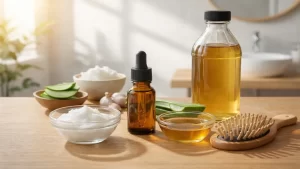
5 Natural Ways to Relieve Dry Scalp and Dandruff Without Special Shampoos
Understanding the Scalp’s Role
Hair usually receives most of the attention. People style it, color it, and judge its appearance. Meanwhile, the scalp underneath quietly supports everything.
When dryness or dandruff appears, it often means this skin needs care.
You might notice different sensations when touching your scalp:
Tight or dry areas
Slight oiliness in some spots
Mild tenderness near the crown
Dry scalp usually occurs when the skin lacks moisture and its protective barrier becomes weakened.
Dandruff, on the other hand, can develop when natural scalp oils interact with yeast that normally lives on the skin. This interaction can create flakes and irritation.
Both conditions may occur at the same time, especially after frequent use of harsh shampoos that strip away natural oils.
Natural care methods focus on restoring balance rather than aggressively eliminating flakes.
Resetting the Scalp with Gentle Care
Imagine dry soil in a garden. If you pour water onto it too quickly, the water runs off the surface instead of soaking in. But when the soil is softened first, it absorbs moisture more effectively.
The scalp behaves in a similar way.
Gentle oils and mild rinses help prepare the skin before cleansing. Over time, this calmer routine may reduce irritation and flaking.
Instead of forcing the scalp to react to strong treatments, the goal is to allow it to return gradually to a natural equilibrium.
The Pre-Wash Oil Ritual
A simple step before shampooing can help protect the scalp.
Light oils are commonly used because they soften the skin and loosen flakes.
Popular options include:
Jojoba oil, which closely resembles natural scalp oils
Sweet almond oil, known for its nourishing properties
Coconut oil, often used for deeper hydration
To try this method:
Warm a small amount of oil between your hands.
Massage it gently into the scalp section by section.
Spend time noticing sensitive or tight areas.
Allow the oil to sit for 20–30 minutes before washing.
This step can help reduce how much moisture is removed during shampooing.
A Simple Vinegar Rinse for Balance
After washing with a gentle shampoo, some people use a diluted vinegar rinse.
Mix:
1–2 tablespoons of apple cider vinegar
1 cup of water
Pour the mixture slowly over your scalp and massage lightly. Rinse after a minute or two.
Used once or twice per week, this rinse may help remove buildup and support the scalp’s natural pH balance.
Kitchen Ingredients That Support Scalp Care
Many households already contain ingredients that can support scalp comfort. While they are not instant cures, they may offer gradual benefits when used consistently.
Common examples include:
Honey
Yogurt
Olive oil
Lemon
These remedies work best when they become part of a gentle routine rather than a one-time treatment.
Honey for Moisture
Raw honey naturally attracts moisture and contains mild antimicrobial properties.
Mix honey with warm water and massage it into the scalp. Leave it for about 20 minutes before rinsing.
Despite its sticky texture, many people find honey masks leave the scalp feeling soft and hydrated.
Yogurt for Cooling Relief
Plain yogurt with live cultures provides a mild exfoliating effect and a soothing sensation.
Combining yogurt with a small amount of oil can help ease tightness or irritation.
Apply the mixture to the scalp for 15–25 minutes before washing.
Helpful Plant-Based Ingredients
Beyond kitchen staples, certain botanical ingredients are commonly used in natural scalp care.
Aloe vera
Hydrates the scalp and soothes irritation.
Tea tree oil
When properly diluted, it may help manage dandruff-related yeast.
Rosemary
Often used as a rinse, rosemary can provide a refreshing herbal scent while supporting scalp comfort.
These ingredients can turn routine hair care into a calming ritual rather than a rushed task.
Daily Habits That Affect Scalp Health
Flaking is not always caused by hair products alone. Everyday habits also influence scalp balance.
Factors that may contribute to dryness include:
Spending time in very dry indoor environments
Frequent hot showers
Low water intake
Ongoing stress
Small lifestyle adjustments can help support scalp recovery.
Helpful changes may include:
Using a humidifier indoors
Washing hair with warm rather than hot water
Eating foods rich in healthy fats
Building small routines for stress management
These steps create better conditions for the scalp to maintain its natural balance.
Building a Weekly Scalp Care Routine
Consistency matters more than intensity when it comes to natural care.
A gentle weekly rhythm might look like this:
Oil massage before washing on one day
Vinegar rinse during another wash
Aloe, honey, or yogurt mask once weekly
Rest days between washes to let the scalp recover
This slower approach encourages patience and awareness of what your scalp truly needs.
When to Seek Medical Advice
Natural methods can help with common dryness and mild dandruff. However, certain symptoms may require professional evaluation.
Consider consulting a healthcare professional if you experience:
Persistent redness
Thick or yellowish scales
Painful areas on the scalp
Severe itching that does not improve
These signs could indicate conditions such as psoriasis or seborrheic dermatitis rather than simple dandruff.
Early diagnosis can help prevent long periods of trial and error.
A Gentler Approach to Scalp Care
Dry scalp and dandruff are often signals that the skin needs attention rather than harsh correction.
Natural methods do not reject modern treatments—they simply encourage a softer approach. Oils, herbs, and consistent routines allow the scalp to restore balance gradually.
Over time, many people notice that flakes become less frequent and comfort returns quietly.
Sometimes the most effective solutions are the slowest ones.
Frequently Asked Questions (FAQs)
1. What causes dandruff and dry scalp?
Dandruff often occurs when natural scalp oils interact with yeast on the skin, while dry scalp usually results from a lack of moisture or damage to the skin barrier.
2. Can natural remedies completely cure dandruff?
Natural remedies may help relieve mild dryness and flaking, but persistent or severe dandruff may require medical treatment.
3. How often should I use oil treatments on my scalp?
Many people apply pre-wash oil treatments once or twice per week, depending on their scalp type and hair care routine.
4. Does apple cider vinegar help with dandruff?
Diluted apple cider vinegar rinses may help balance scalp pH and remove buildup, which can support scalp comfort for some individuals.
5. When should I see a doctor for scalp problems?
If symptoms include thick scales, persistent redness, pain, or severe itching, a healthcare professional should evaluate the condition.