It began in a place most people visit every week: the supermarket produce aisle. Between rows of plastic-wrapped lettuce and discounted carrots, a father asked his toddler to choose a vegetable.
The child pointed excitedly at broccoli.
The dad chuckled and replied, “Not that one—that’s not the same as cauliflower.”
An older shopper nearby overheard the conversation and gently added something unexpected: those vegetables are actually the same plant.
The comment made the father pause. He looked again at the broccoli in the cart, realizing the idea sounded strange—but also possible. Once you hear this botanical fact, it becomes difficult to forget.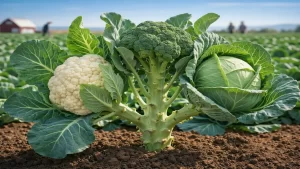
3 Popular Vegetables — Cauliflower, Broccoli and Cabbage Share the Same Plant Origin
The Hidden Connection Between Broccoli, Cauliflower, and Cabbage
At first glance, broccoli, cauliflower, and cabbage appear completely different. Their shapes, textures, and flavors vary widely. Broccoli is often praised as a healthy green staple. Cauliflower has a mild flavor and creamy texture when cooked. Cabbage, meanwhile, can remind people of hearty soups or coleslaw.
Despite these differences, botanists explain that all three vegetables are simply different varieties of one species: Brassica oleracea.
Thousands of years ago, farmers began cultivating a wild coastal plant related to modern brassicas. By saving seeds from plants with desirable traits—larger leaves, tighter buds, or thicker stems—generations of growers gradually shaped new vegetable forms.
Over time, selective breeding created familiar foods such as:
Broccoli
Cauliflower
Cabbage
What appears to be several unrelated vegetables is actually one plant species expressed in different ways.
Why This Discovery Matters in the Kitchen
Understanding the shared origin of these vegetables can make cooking easier and more flexible.
Because they belong to the same plant family, broccoli, cauliflower, and cabbage behave similarly when exposed to heat, salt, and fats. Their textures change in comparable ways during roasting, steaming, or stir-frying.
This means cooks can often substitute one for another without major changes.
For example:
Roasted cabbage wedges can replace cauliflower steaks.
Broccoli stems can be sliced into coleslaw instead of cabbage.
Cauliflower florets can be stir-fried just like broccoli.
This flexibility also helps reduce food waste. If a recipe calls for one vegetable but you have another in the fridge, chances are it will still work.
The Secret to Better Flavor: High Heat
Many people dislike brassica vegetables because of how they were cooked in the past. Boiling them for too long can produce soft textures and strong sulfur smells.
A better approach is roasting at high heat.
When broccoli, cabbage, or cauliflower are chopped into smaller pieces and roasted at around 220°C (430°F), something remarkable happens. Their natural sugars caramelize, creating deeper flavor and crisp edges.
The result is a nutty, slightly sweet taste that feels completely different from overcooked vegetables.
Simple Techniques for Cooking Brassica Vegetables
Small changes in technique can dramatically improve flavor and texture. Try these steps for more satisfying dishes:
1. Start with high heat
Use a preheated oven or very hot pan around 220°C (430°F).
2. Cut vegetables evenly
Uniform pieces cook at the same rate and develop better browning.
3. Season early, finish with acid
Add salt at the start and finish with lemon juice or vinegar for balance.
4. Add healthy fats
Olive oil, butter, or tahini soften bitterness and improve texture.
5. Pair with other ingredients
Roasted meats, grains, or nuts create contrast and more complex meals.
One Plant With Many Possibilities
Once you recognize the relationship between broccoli, cauliflower, and cabbage, the produce section begins to look different.
Their thick stems, branching veins, and faint floral aroma reveal their shared origin. What seems like a wide range of vegetables is actually the result of centuries of human cultivation and careful seed selection.
That perspective changes how you see leftovers in the refrigerator. Instead of three unrelated ingredients, you’re working with variations of the same versatile plant.
From crunchy salads to roasted trays and creamy soups, these vegetables offer countless possibilities.
Conclusion
Broccoli, cauliflower, and cabbage may look different on the plate, but botanically they all come from the same species: Brassica oleracea. Understanding this connection makes cooking easier, encourages ingredient substitutions, and highlights how centuries of farming shaped everyday foods. By using high heat and simple techniques, these vegetables can become flavorful, satisfying dishes rather than overlooked side items.
Frequently Asked Questions (FAQs)
Are broccoli, cauliflower, and cabbage really the same plant?
Yes. They are all cultivated varieties of the species Brassica oleracea, developed through centuries of selective breeding.
Why do these vegetables look so different?
Farmers selected different plant traits over time. Broccoli emphasizes flower buds, cabbage forms tight leaf heads, and cauliflower develops dense clusters of undeveloped flowers.
Can I substitute one for another in recipes?
Often yes. Because they share similar textures and cooking behavior, broccoli, cauliflower, and cabbage can frequently replace one another with minor timing adjustments.
What is the best way to cook these vegetables?
Roasting at high heat (around 220°C or 430°F) helps caramelize natural sugars and improve flavor while reducing bitterness.
Do these vegetables have similar nutritional benefits?
Yes. They are all rich in fiber, vitamins, and beneficial plant compounds, making them healthy additions to many meals.