You pull your favorite shirt out of the washing machine, and it already looks older than it should. The color feels dull, the fabric slightly worn—yet you’ve barely washed it.
It’s easy to blame detergent, fabric quality, or even the machine itself. But there’s a small, often ignored setting that quietly damages your clothes over time: your wash cycle.
The hidden cause of fading most people miss
Many assume fading happens because of harsh detergent or cheap fabric. In reality, the biggest culprit is often the length and intensity of your washing cycle.
On most machines, the default “Cotton” or “Normal” program runs longer and spins more aggressively. While effective for heavy loads, it creates strong friction inside the drum.
Over time, that friction acts like sandpaper:
Clothes rub against each other
Zippers and buttons scrape fabrics
Fibers weaken and lose their outer color
This gradual wear changes how fabric reflects light—what you see as fading.
For example, one frequent washer noticed her favorite green dress lost its vibrancy in just a few months. The issue wasn’t the brand, but the 2+ hour cotton cycle she used every time. Switching to a gentler setting made a visible difference.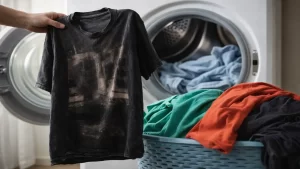
1 Overlooked Washing Detail — Why Your Clothes Fade Quickly — Fix It Now
Why friction matters more than temperature
High temperatures can affect dyes, but friction is often the bigger issue.
Each spin cycle adds stress to fibers. Over repeated washes:
Outer dyed fibers break down
Fabric texture becomes rougher
Colors appear dull or uneven
In short, your clothes aren’t just getting clean—they’re slowly wearing out with every aggressive wash.
The simple habit that keeps colors vibrant
A small adjustment can significantly extend the life of your clothes:
Choose the gentlest cycle that still cleans effectively.
Instead of default settings, look for:
“Delicate”
“Synthetic”
“Cold wash”
“Quick 30”
These programs reduce washing time and drum movement, limiting friction.
Extra tips to reduce fading:
Lower spin speed (around 800 rpm)
Turn clothes inside out
Wash similar fabrics together
Use detergent designed for colors
Avoid overwashing items that aren’t dirty
Even one change—like switching to a gentler cycle—can help clothes maintain their original look longer.
Rethinking what “clean” really means
Many people instinctively increase temperature or detergent when clothes look dull. Unfortunately, that often makes fading worse.
Clean doesn’t have to mean harsh.
By using shorter, gentler cycles and washing only when needed, you:
Preserve color and fabric quality
Extend the lifespan of your wardrobe
Reduce unnecessary spending on replacements
Over time, these small adjustments can make clothes look newer for longer—without changing brands or buying more.
Key takeaways
Long, intense wash cycles cause more fading than most people realize
Friction inside the machine gradually removes color
Gentler cycles and lower spin speeds help preserve fabrics
Small laundry habits can significantly extend clothing lifespan
FAQs
Why do dark clothes fade so quickly?
Dark fabrics show wear more easily. Friction from long cycles and high spin speeds removes surface dye, making blacks and deep colors look faded faster.
Is cold water better for colored clothes?
Yes. Cold or 30°C washes are gentler on dyes and still effective with modern detergents, helping colors last longer.
Are quick wash cycles good for clothes?
They can be beneficial for lightly soiled items because they reduce washing time and friction, but may not clean heavily soiled clothes as effectively.
Does turning clothes inside out help?
Yes. It protects the outer surface from direct friction, helping visible colors stay vibrant.
How often should I wash everyday clothes?
Only when needed. Many items like jeans and sweatshirts can be worn multiple times before washing, especially if aired between uses.