Hibiscus tea behaves unlike most beverages. When dried petals are steeped in hot water, they gradually unfold, transforming the clear liquid into a deep purple and eventually a vibrant ruby red. The aroma carries hints of cranberry, pomegranate, and tart cherries, blended with a delicate floral scent that feels almost like standing in a tropical garden.
Many people recognize hibiscus as the bright flower often worn behind the ear in vacation photos or seen blooming along sunny coastal streets. Yet across the world, this plant is valued for much more than its beauty.
In Mexico, hibiscus becomes agua de jamaica, a refreshing tart drink served with meals. In parts of West Africa, it forms the base of bissap, a popular traditional beverage. In Caribbean cultures, hibiscus is brewed into sorrel, often mixed with spices and citrus during festive seasons.
Long before scientists studied it in laboratories, people turned to hibiscus tea for its cooling and soothing qualities. Today, modern research is beginning to support what traditional practices have suggested for generations: hibiscus tea may offer meaningful benefits beyond hydration.
One of the most studied effects is its potential to help support healthy blood pressure levels.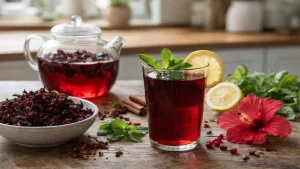
1 Natural Drink — Many Use to Support Healthy Blood Pressure — Daily Routine
Why Blood Pressure Often Rises Gradually
High blood pressure rarely appears suddenly. Instead, it tends to increase slowly over time, often without noticeable warning signs.
Some people may experience subtle symptoms such as:
Frequent fatigue
Mild headaches in the morning
Shortness of breath after light activity
Occasional heart palpitations
In many cases, however, elevated blood pressure shows no symptoms until a routine medical check reveals higher numbers.
Several lifestyle and biological factors contribute to this gradual rise:
Chronic stress
Diets high in salt
Sedentary routines
Poor sleep quality
Aging
Genetic predisposition
Over time, higher pressure can strain the heart and reduce the flexibility of blood vessels. This increases the long-term risk of heart disease and stroke.
This is where simple daily habits—like drinking hibiscus tea—can play a supportive role.
The Natural Compounds Inside Hibiscus
The deep red color of hibiscus tea comes from compounds known as anthocyanins, the same natural pigments found in berries. Alongside them, hibiscus contains:
Flavonoids
Organic acids
Antioxidants
Researchers believe these compounds may support cardiovascular health in several ways.
Some studies suggest hibiscus acts similarly to mild ACE inhibitors, a class of compounds that help blood vessels relax. Others indicate that hibiscus may encourage gentle dilation of arteries or help the body remove excess fluid.
Antioxidants also play a role by protecting blood vessel walls from oxidative stress, which can contribute to long-term damage.
Clinical research has shown that drinking hibiscus tea regularly may lead to modest reductions in both systolic and diastolic blood pressure over time.
How to Prepare Hibiscus Tea
Making hibiscus tea is simple and calming. As the dried petals steep, they slowly release their color and fruity aroma.
Basic brewing method
Heat one cup of water until hot but not boiling.
Add 1–2 teaspoons of dried hibiscus petals.
Steep for 5–10 minutes.
Strain and enjoy.
You can drink hibiscus tea:
Hot for a comforting, relaxing beverage
Cold over ice for a refreshing drink
With citrus slices for extra flavor
Many people enjoy using hibiscus tea as a substitute for sugary beverages or as a caffeine-free alternative to coffee later in the day.
Hibiscus Tea vs. Other Common Drinks
| Drink | Caffeine | Added Sugar | Possible Blood Pressure Impact |
|---|---|---|---|
| Hibiscus tea | 0 mg | 0 g | May support lower BP with regular use |
| Black coffee | 80–100 mg | 0 g | May temporarily raise BP |
| Sugary soda | 0–40 mg | 20–40 g | Linked to long-term health risks |
| Bottled fruit juice | 0 mg | 20+ g | High sugar intake may affect BP |
| Green tea | 30–50 mg | 0 g | Generally neutral to mildly beneficial |
When to Use Caution
Even natural beverages can interact with health conditions or medications.
If you regularly take blood pressure medication, hibiscus tea may enhance its effects. It’s important to discuss new dietary habits with a healthcare provider.
Additional caution may be needed for people who:
Are pregnant or trying to conceive
Have diabetes
Have liver conditions
Experience digestive sensitivity
Because hibiscus tea is naturally acidic, some individuals may find it best to drink it after meals rather than on an empty stomach.
Adding Hibiscus to a Heart-Healthy Lifestyle
Hibiscus tea works best when combined with other healthy habits.
Helpful lifestyle practices include:
Walking or exercising regularly
Reducing sodium intake
Managing stress levels
Improving sleep quality
Maintaining a balanced diet
A simple routine might include a morning cup with breakfast, an afternoon replacement for soda, or an evening mug as part of a relaxing wind-down.
Small habits repeated consistently can gradually contribute to better overall health.
Paying Attention to Your Health
Monitoring blood pressure regularly helps track progress and identify changes early. If hibiscus tea becomes part of your routine, checking your readings over time can reveal whether it is making a difference.
Beyond numbers, many people also report feeling calmer and more balanced when they incorporate relaxing rituals like tea into their day.
Caring for heart health does not always require drastic changes. Sometimes it begins with simple, consistent choices—like a daily cup of hibiscus tea.
Frequently Asked Questions (FAQs)
1. Can hibiscus tea really help lower blood pressure?
Some clinical studies suggest that regular hibiscus tea consumption may lead to modest reductions in blood pressure. However, it should be considered a supportive habit rather than a replacement for medical treatment.
2. How often should I drink hibiscus tea?
Many studies use one to two cups per day. Consistency over time appears to be more important than occasional consumption.
3. Does hibiscus tea contain caffeine?
No. Hibiscus tea is naturally caffeine-free, making it suitable for people who want to reduce caffeine intake.
4. Is hibiscus tea safe to drink every day?
For most healthy adults, moderate daily consumption is generally considered safe. People with medical conditions or those taking medications should consult a healthcare professional first.
5. Can hibiscus tea replace blood pressure medication?
No. Hibiscus tea should not replace prescribed medication. It may be used as part of a broader healthy lifestyle alongside medical guidance.