Emma had just finished a deep spring clean. The floors sparkled, towels were neatly folded, and every surface looked refreshed. But when she closed the toilet lid, something caught her eye.
The seat looked clean—but it wasn’t truly white anymore. A dull yellow tint had settled into the plastic.
She tried scrubbing harder with her usual bathroom spray. Nothing changed. The yellow tone remained, making the whole bathroom feel less fresh despite all the effort.
Like many people, Emma searched for solutions online and considered buying a new seat. But the answer turned out to be something much simpler—an overlooked bottle already sitting in her bathroom cabinet.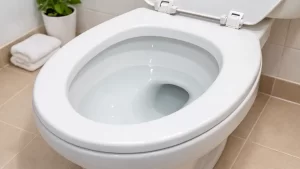
1 Common Bathroom Liquid — Brightens Yellowed Toilet Seats — In Minutes
Why Yellow Toilet Seats Are So Hard to Clean
Yellowing toilet seats are surprisingly common. Even well-maintained bathrooms can develop this problem over time.
The issue often isn’t simple dirt. Instead, several factors gradually affect the plastic surface:
Mineral deposits from hard water
Chemical reactions with cleaning products
Natural aging of plastic materials
Tiny scratches that trap discoloration
Traditional cleaning products are designed to remove surface grime. But yellowing often sits deeper in the material, which is why scrubbing harder rarely helps.
In some cases, bleach can even make the issue worse by roughening the surface slightly, giving minerals more places to cling.
The Forgotten Bathroom Bottle That Can Help
One simple product can make a noticeable difference: 3% hydrogen peroxide.
Many households keep hydrogen peroxide as a first-aid antiseptic. It usually comes in a brown bottle and is often forgotten after occasional use.
However, this mild solution also works well on yellowed plastic because it acts as a gentle oxidizer. Instead of harsh bleaching, it gradually breaks down residues and light discoloration embedded in the material.
When used correctly, it can help brighten the plastic surface and restore a cleaner appearance.
How to Use Hydrogen Peroxide on a Yellowed Toilet Seat
The process is simple and requires minimal effort.
Step-by-step method
Clean the surface first
Wipe the toilet seat with a regular cleaner to remove visible dirt, then allow it to dry completely.Apply hydrogen peroxide
Pour 3% hydrogen peroxide onto a cloth or cotton pads and place them over the yellowed areas.Keep the surface moist
Cover the seat with plastic wrap or cling film to prevent the liquid from evaporating.Let it sit
Leave the peroxide in place for two to four hours.Wipe and rinse
Remove the wrap, wipe the seat with a damp cloth, and let it dry.
If the discoloration is deep, repeating the treatment once or twice can further improve results.
Common Mistakes to Avoid
For the best outcome, keep these tips in mind:
Be patient. Hydrogen peroxide works slowly but gently.
Avoid mixing cleaners. Rinse off bleach or other chemicals before applying peroxide.
Skip abrasive sponges. Scratches can trap more discoloration later.
Test first. Try a small hidden area if your seat has coatings or unusual materials.
A Small Change That Can Refresh the Entire Bathroom
A bright, clean toilet seat might seem like a small detail, but it can make a big difference in how a bathroom feels.
Instead of replacing fixtures unnecessarily, sometimes the right cleaning method can restore what already exists.
For many households, this simple hydrogen peroxide treatment offers an inexpensive way to refresh an aging bathroom and maintain a cleaner-looking space.
FAQs
Can hydrogen peroxide damage a toilet seat?
On most standard white plastic seats, 3% hydrogen peroxide is safe when used for a few hours. Always test a small hidden spot first if you’re unsure.
How often should this treatment be done?
Most homes only need the treatment once every few months as a reset rather than a regular cleaning routine.
Does this method work on colored toilet seats?
Hydrogen peroxide may lighten colored plastic, so it’s best used on white or off-white seats.
Can hydrogen peroxide be mixed with other cleaning products?
No. It should be used alone after rinsing off any other cleaners to avoid unwanted chemical reactions.
What if the yellow color doesn’t disappear completely?
Very old or heavily worn plastic may not return to pure white. However, repeating the treatment two or three times can noticeably reduce discoloration and make the seat look fresher.